Project Reference:

2018-1-DE02-KA202-005148

Migrant in Fashion

Migrant in Fashion is a European project that empowers young female migrants to develop entrepreneurial skills in the fashion sector. Through innovation, training, and international cooperation, the project supports their social and economic inclusion.

Summary

During the project:

  • Partners developed and tested innovative training methods combining digital storytelling, design thinking, and mentoring.

  • Female migrants aged 18–35 were engaged in local and international activities to build entrepreneurial competences in the fashion sector.

  • A blended learning programme was piloted, mixing online learning, workshops, and mentoring.

  • Partners co-created a Guide for VET providers and stakeholders, supporting the integration of women into the fashion industry.

  • An e-learning platform was created to ensure free access to training materials after the project’s end.

  • Strong cooperation between NGOs, training centres, and businesses was established to support the long-term sustainability of results.

To achieve these objectives, organisations from several European countries implemented transnational meetings, blended mobility, and local workshops, directly involving female migrants, trainers, and mentors throughout the project life cycle.

Events

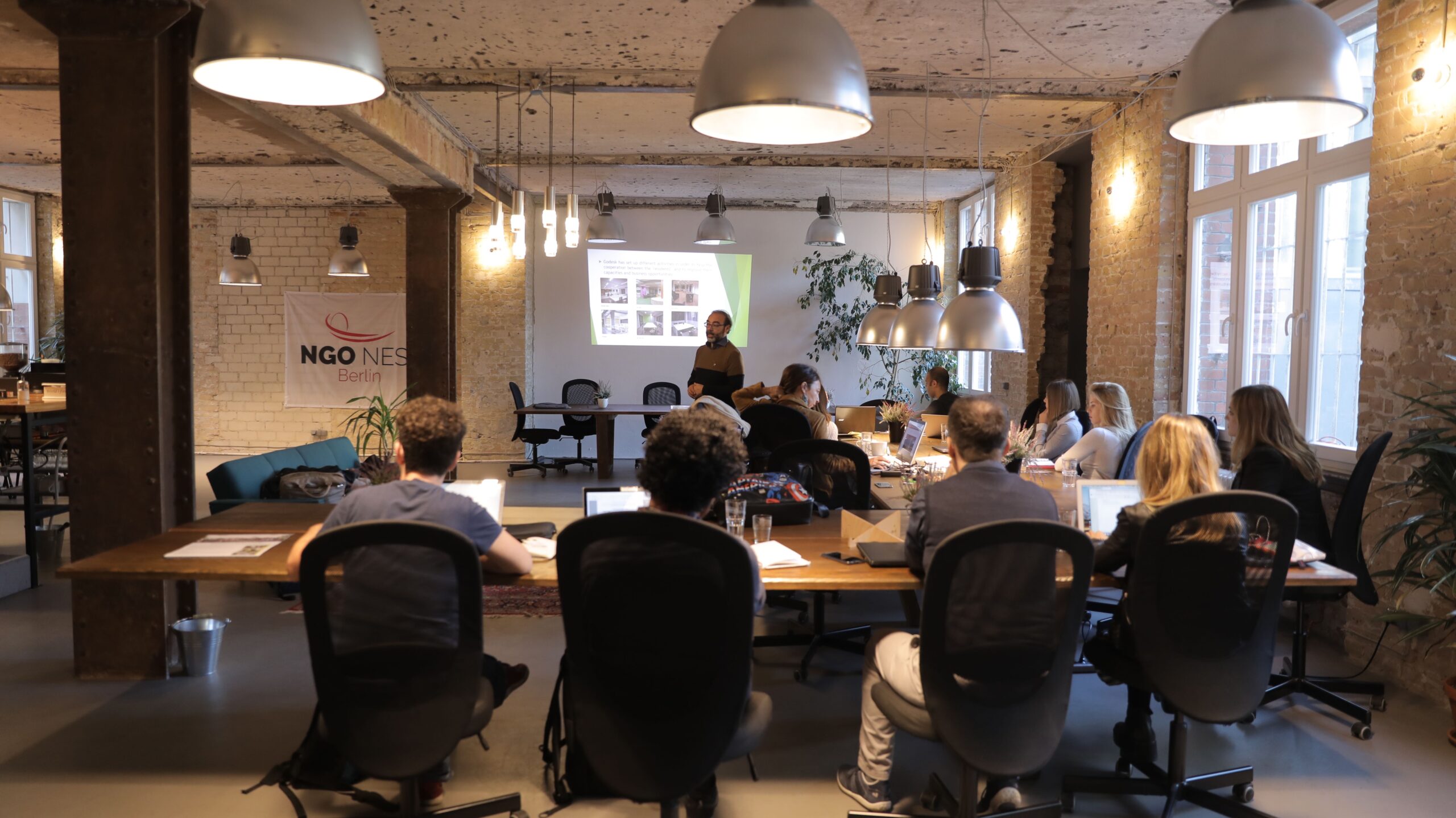
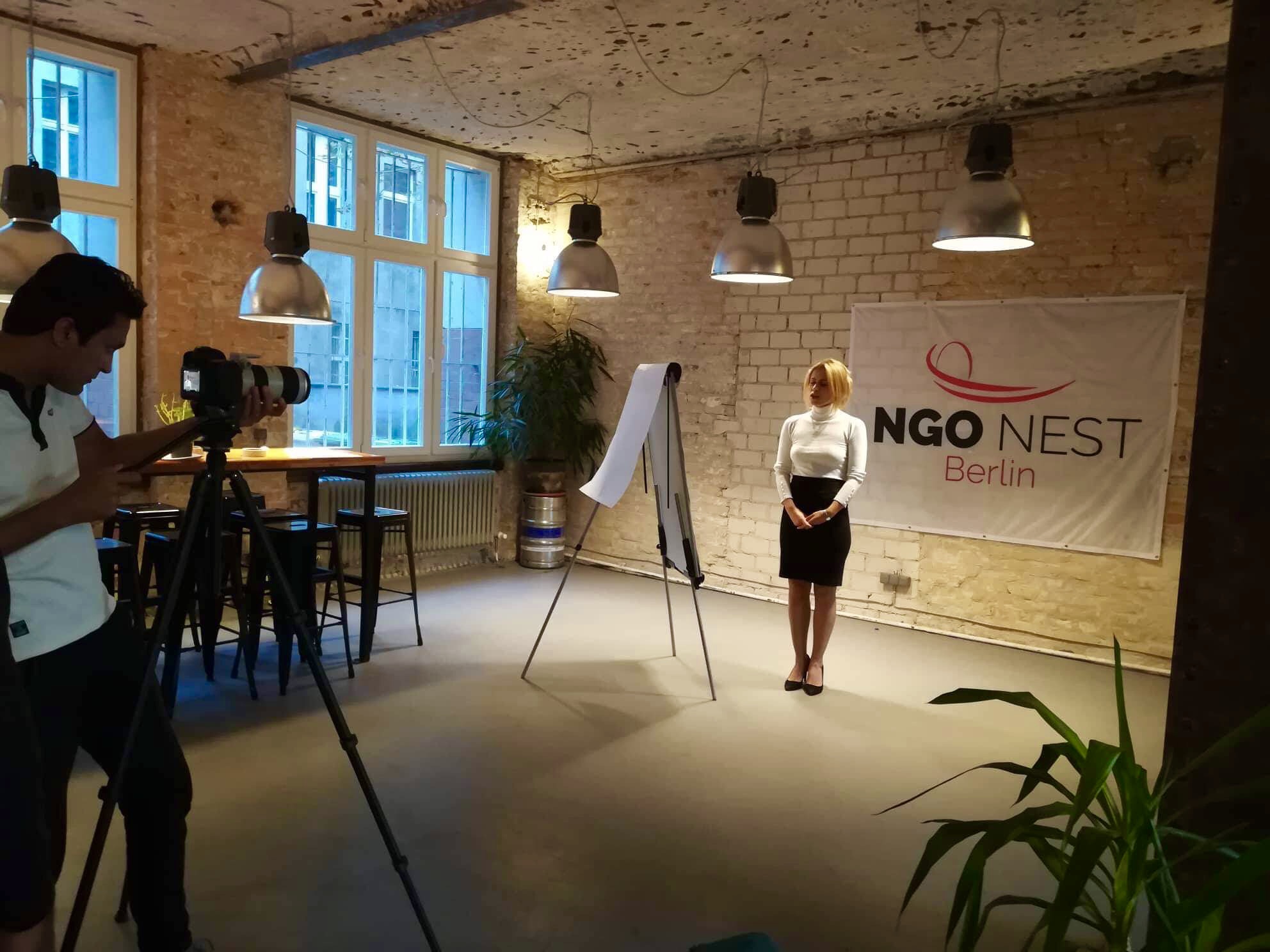
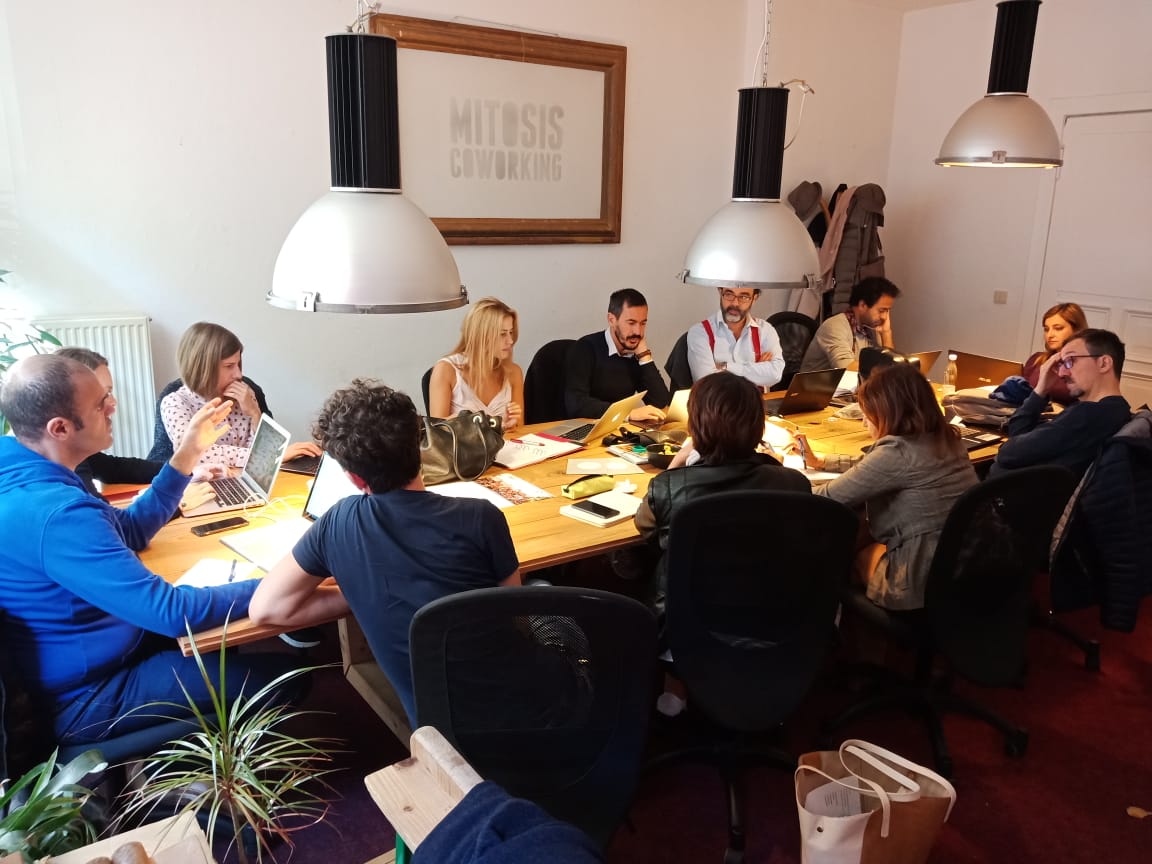
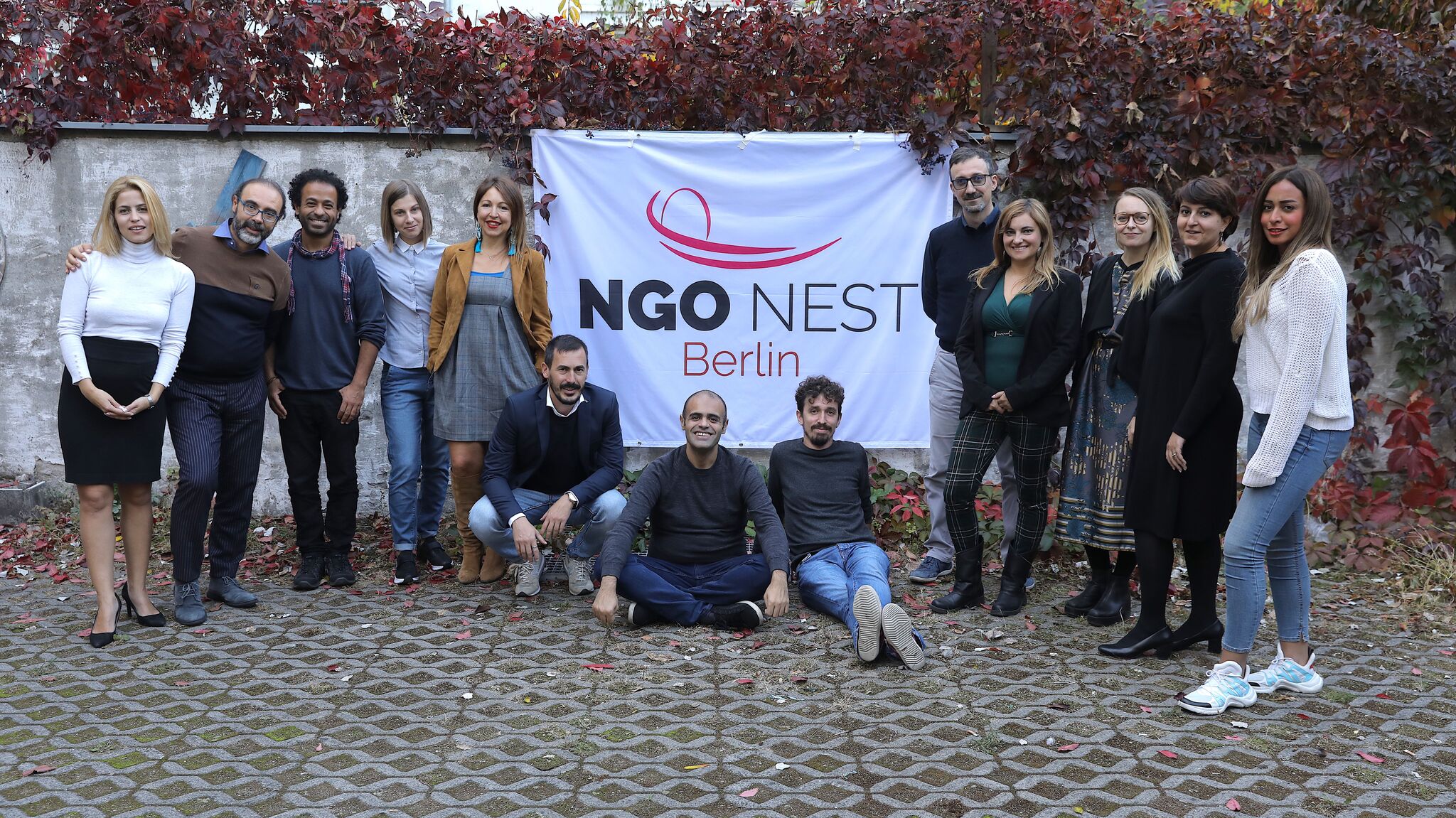
  • Kick-off Meeting – Berlin, Germany (March 2019): Partners met to launch the project, align roles, and plan activities.

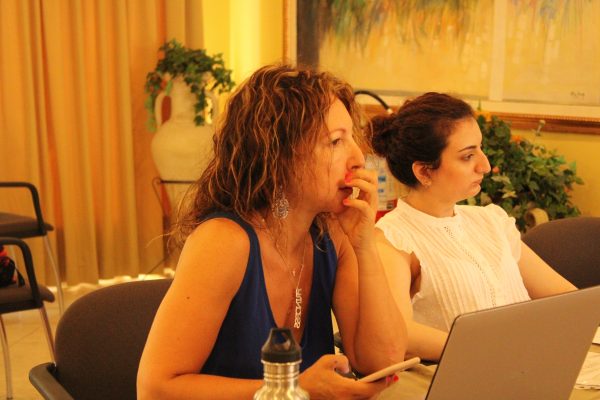
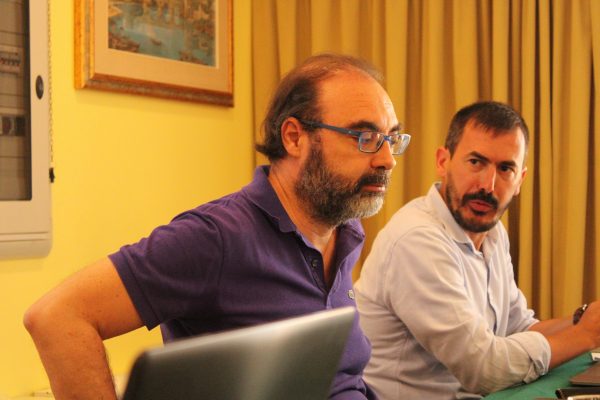
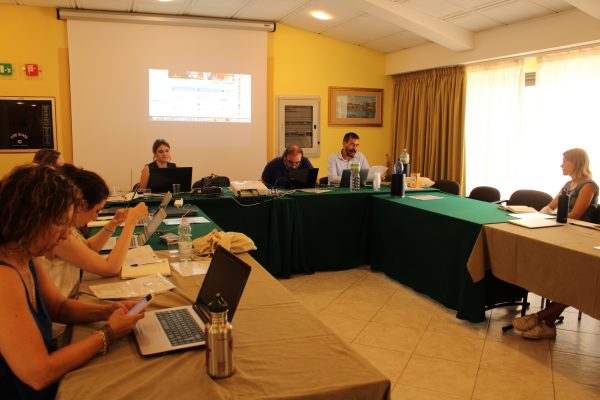
  • Second Transnational Meeting – Sassari, Italy (2020): Partners reviewed progress and worked on intellectual outputs.

  • Blended Mobility of Adult Learners – Sardinia, Italy: Female migrants joined training and workshops on entrepreneurship and fashion.

  • Third Transnational Meeting – Luxembourg (2021): Partners evaluated results and prepared the sustainability plan.

Partners

Champions Factory

Bulgaria

NGO Nest Berlin

Germany

MINE VAGANTI NGO

Italy

The Nest Social Coop

Greece

AMITIES LUXEMBOURG

Luxembourg

SwIdeas AB

Sweden

GODESK S.R.L.

Italy

Methodology

  • Clear allocation of responsibilities: Each partner had defined roles in tasks and outputs, with internal information sharing to ensure proper delivery.
  • Top-down planning framework: Key milestones were set centrally, while partners independently carried out their assigned tasks.
  • Interconnected tasks: Project activities were coordinated to adjust to internal and external challenges.
  • Consortium cooperation: Work was divided based on complementary expertise of partner organisations.
  • Governance & decision-making: A Steering Committee chaired by the lead organization operated democratically, involving all partners.
  • Hybrid meetings: Four physical meetings were complemented by online communication via Skype, email, and social media.
  • Co-design of tasks: Partners formally agreed on task structures and responsibility division.

Results

During the project, the following results were achieved:

  • Needs Assessment Report – identification and evaluation of the entrepreneurial needs of female migrants in the fashion sector.

  • Blended Learning Programme – a combined training method using design thinking, mentoring, and digital storytelling.

  • Local Co-design Workshops – workshops where female migrants created business ideas in fashion.

  • Guide for VET providers and stakeholders – practical recommendations to support female migrants’ entrepreneurship.

  • E-learning Platform – an online resource with training materials, available beyond the project’s lifetime.

Intellectual Outputs

1. Fashion Training Format for Female Entrepreneurs

2. “Entrepreneurial Fashion to Development“ Guide

3. MF Entrepreneurial Learning and Networking Platform in Fashion

Coordinator:
Partners:

Galleries

MigrantInFashion Kick-off in Berlin
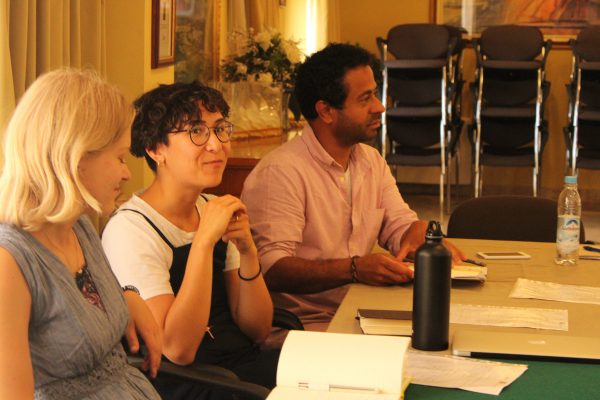
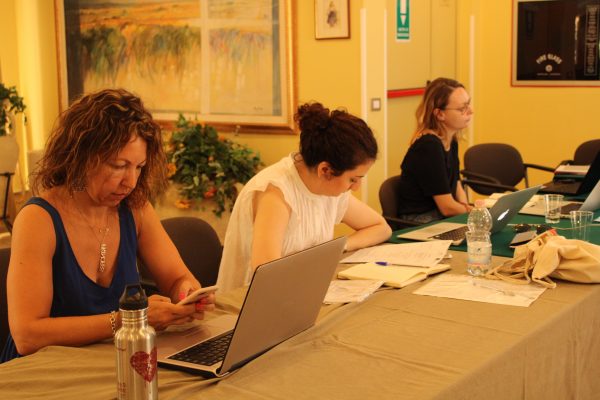
Second Transnational Meeting in Sardinia (Italy)

Funded by the European Union. Views and opinions expressed are however those of the author(s) only and do not necessarily reflect those of the European Union or the European Education and Culture Executive Agency (EACEA). Neither the European Union nor EACEA can be held responsible for them.