Project Reference:

 590018-EPP-1-2017-1-BG-EPPKA2-CBY-ACPALA

Women Empowerment Through Sport

“Women Empowerment Through Sport” (WETS) is a 24-month Capacity Building project in the field of youth involving six organisations from Europe (Bulgaria, Italy), Africa (Kenya, Tanzania) and Asia (Nepal, the Philippines). The project developed, tested, and spread new educational methodologies for empowering young women through sport and enhanced the capacity of the partner organisations and participants.
Summary

During the project:

  • Partners shared, transferred, improved, and developed tools and practices for empowering young women through sport.
  • Youth workers and leaders were trained in non-formal education and in how to use sport to empower young women.
  • The partners created a web page serving as a communication platform, used even after the end of the project.
  • A long-term, sustainable, trans-continental network of organisations working to empower young women through sport was created.
  • The state of women-empowerment programmes in the involved countries was researched, alongside a joint cross-country study.
  • Partners brought social change through awareness-raising activities and “Women Empowerment Through Sport” events at national, regional, and global levels.

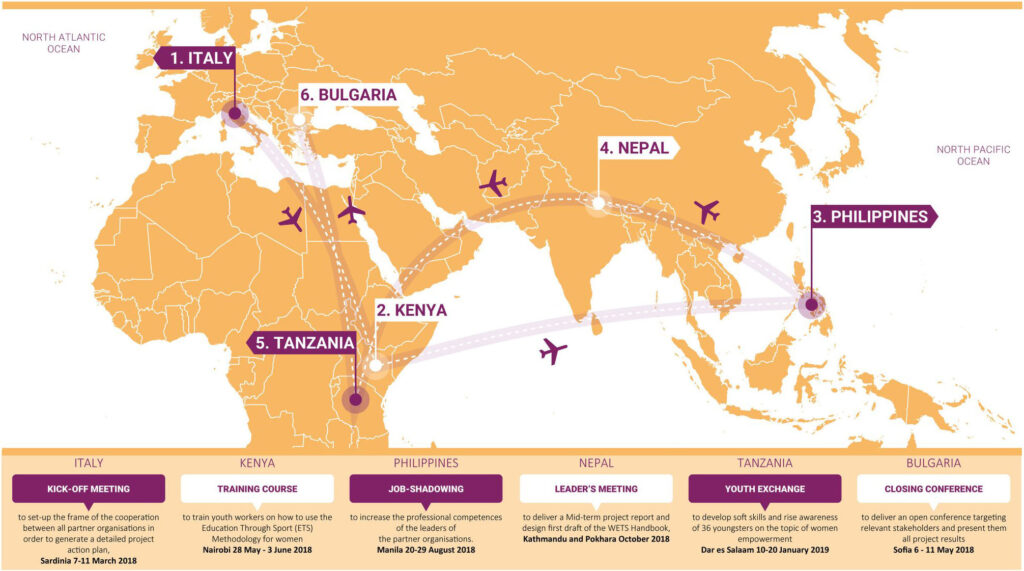
To reach these objectives, six organisations from six countries across three continents delivered six events in geographically diverse locations during the project life cycle.

Events

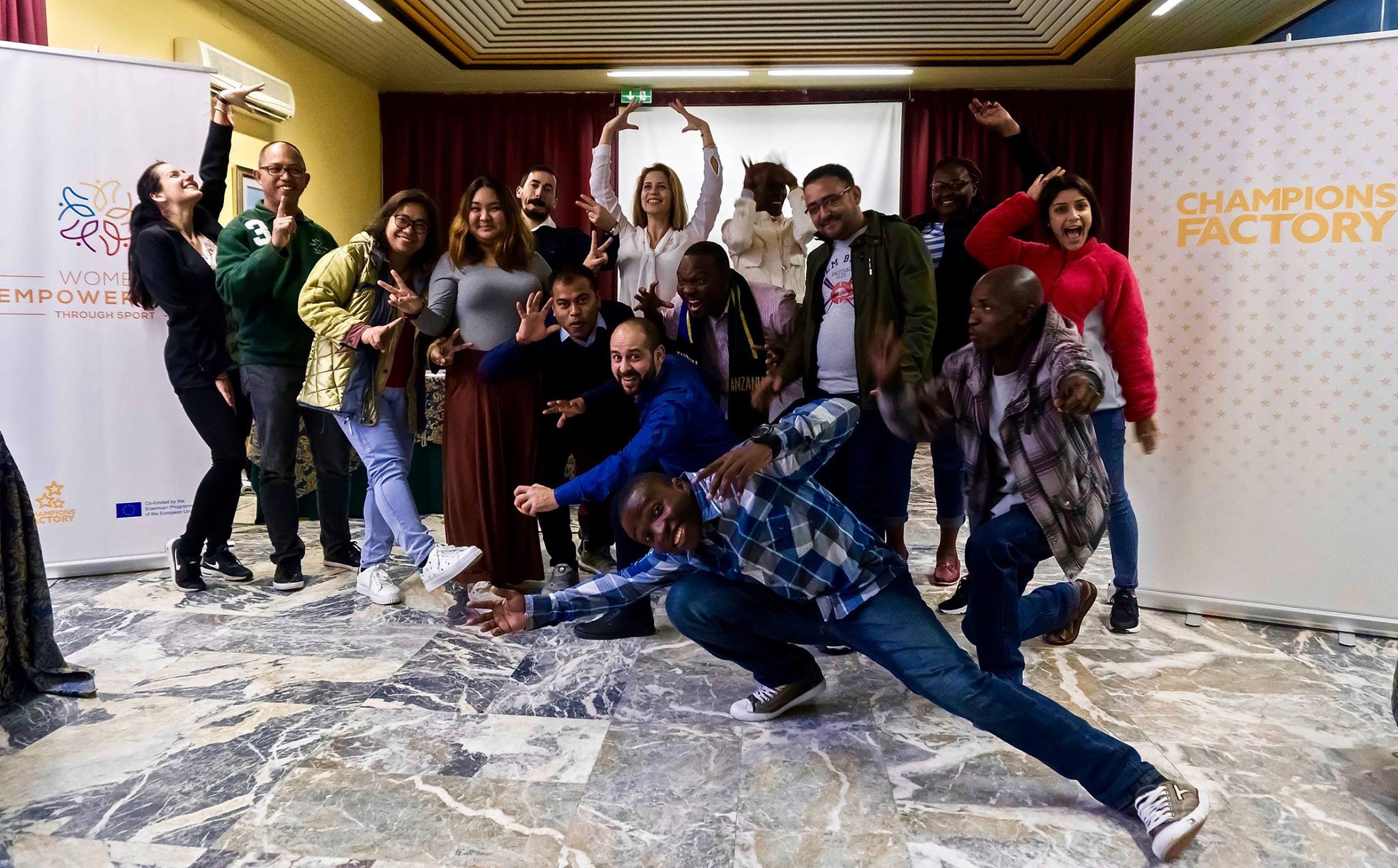
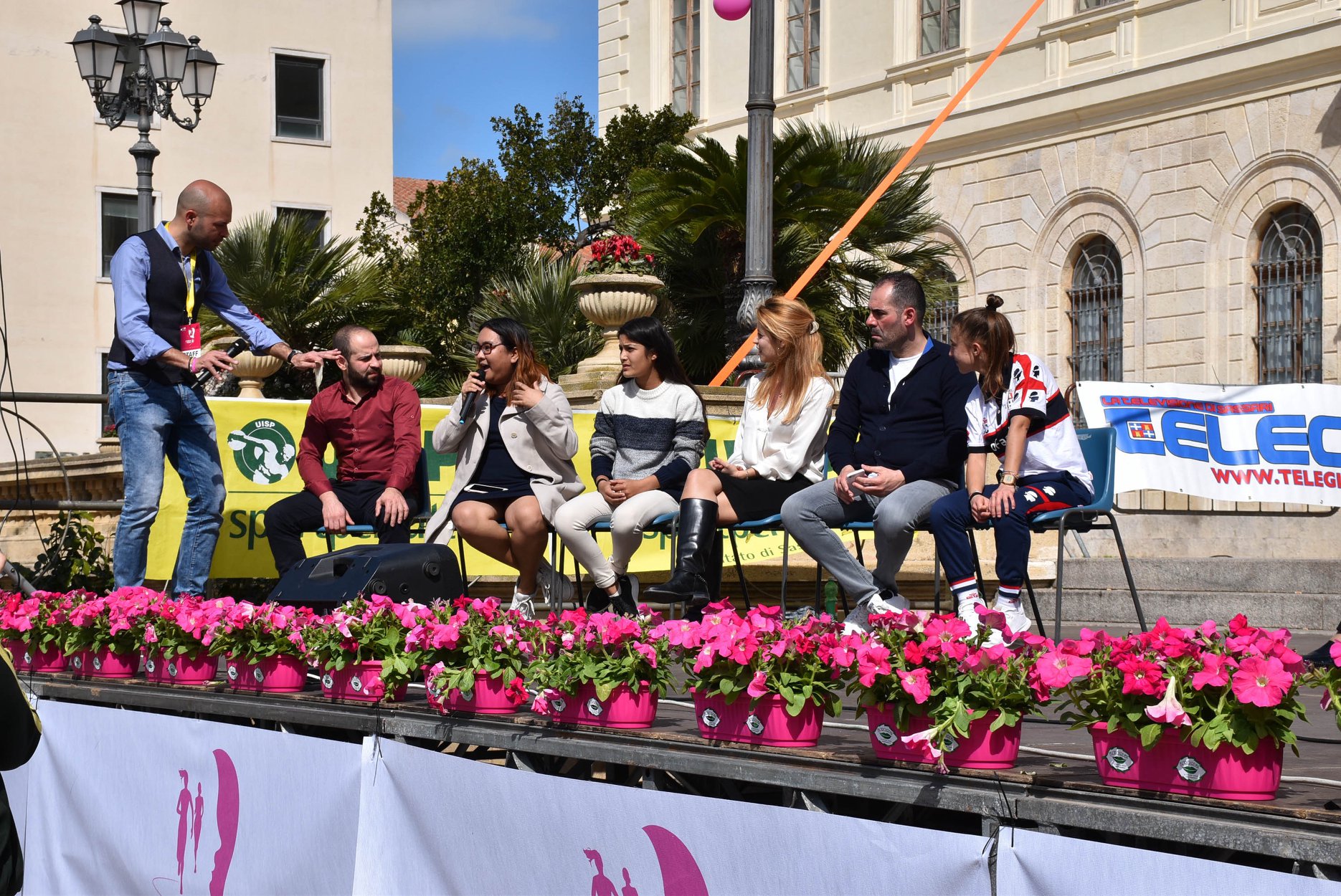
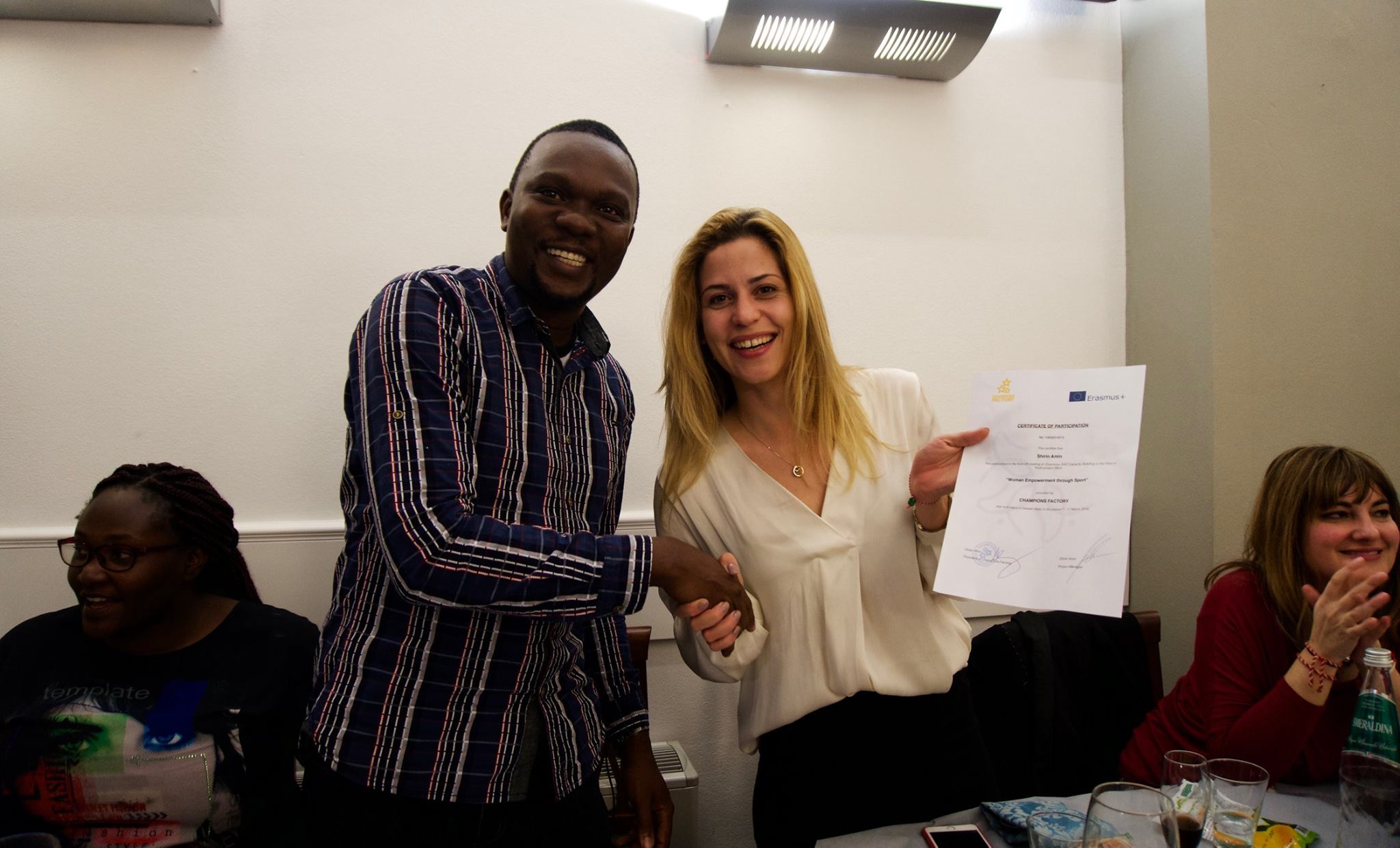
  • Kick-off Meeting – Italy (March 2018): Partners met in Sardinia to plan the project, agree on logo/communication, and present WETS at a public event reaching over 10,000 people.
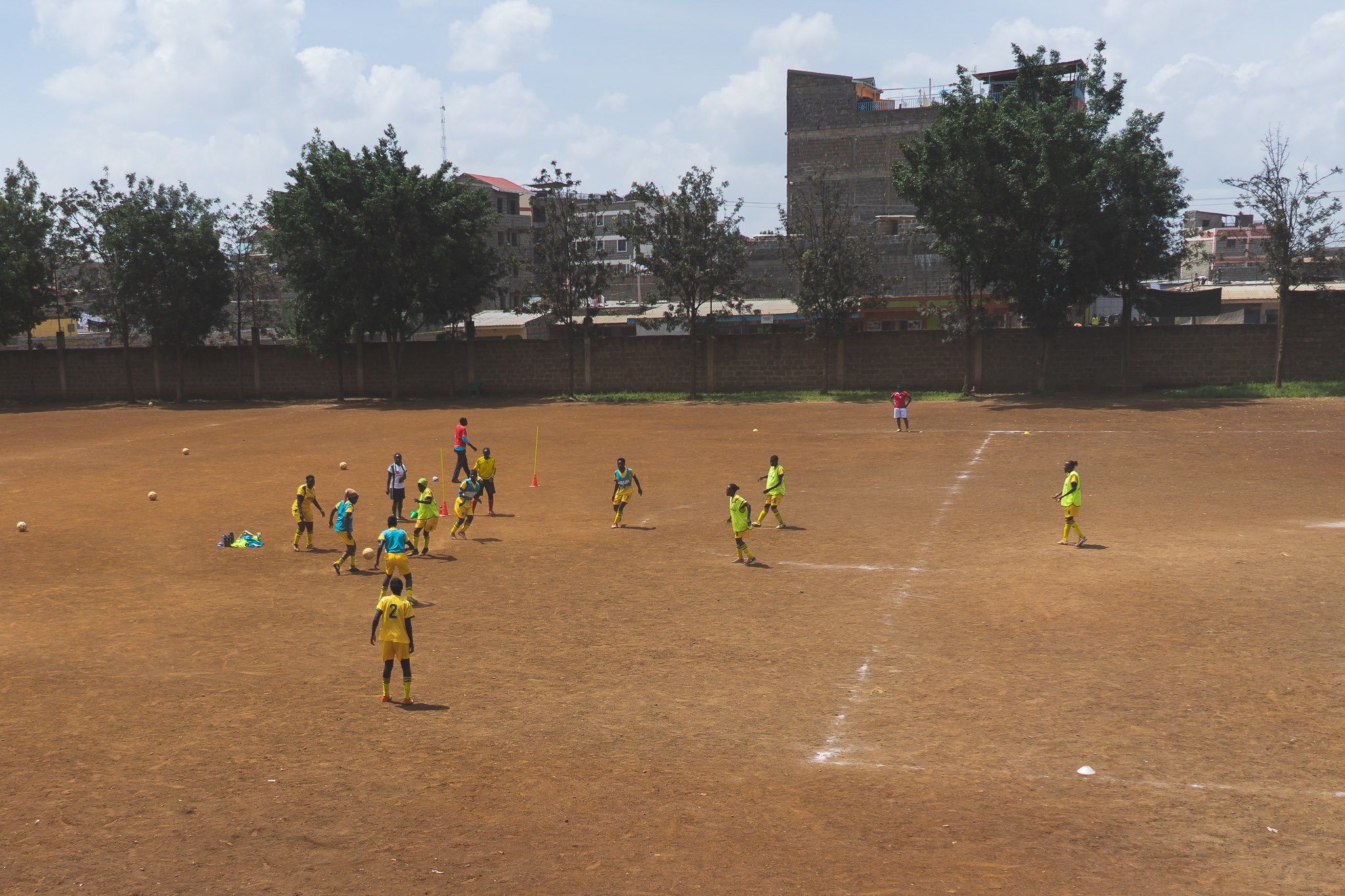
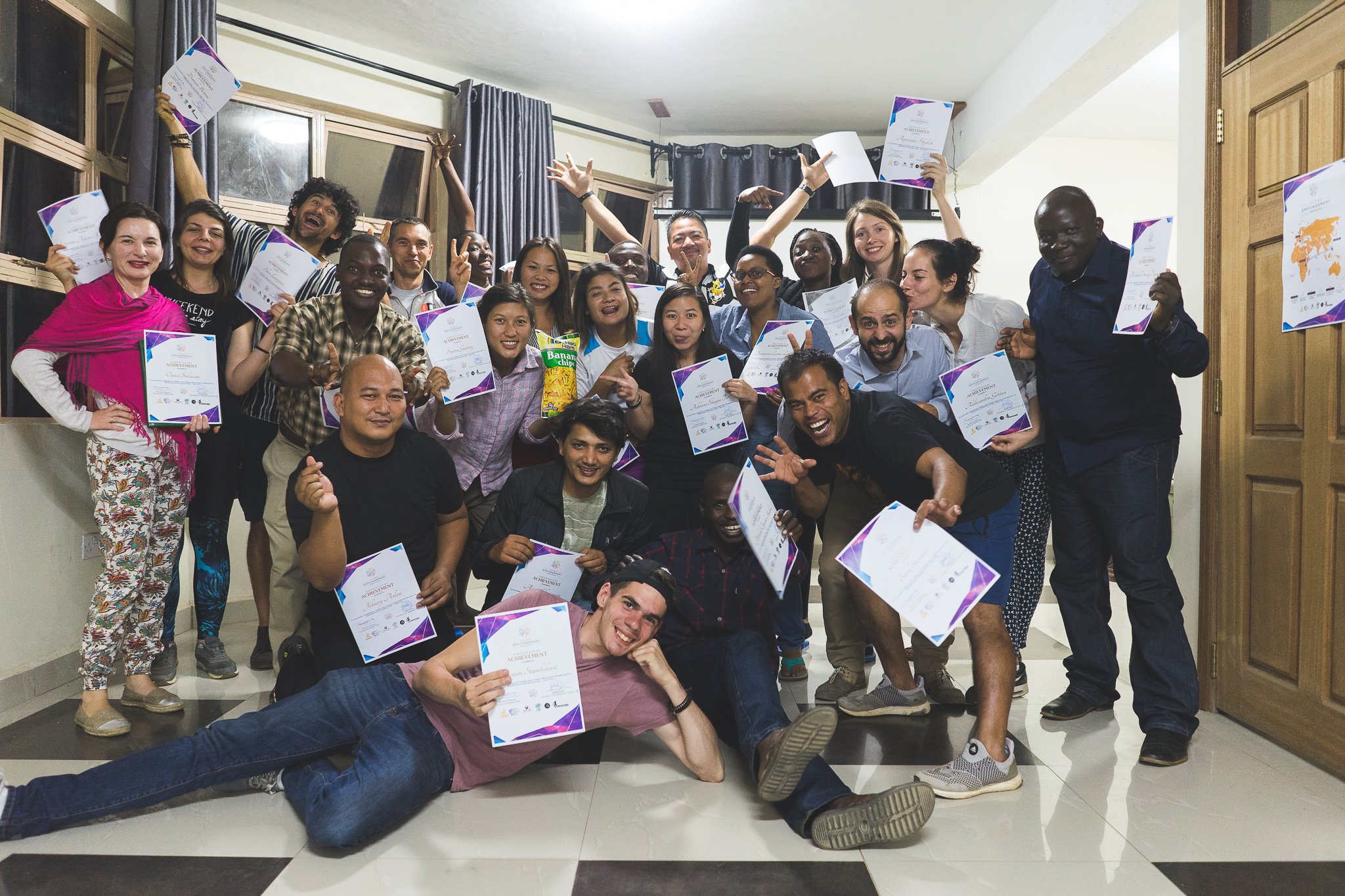
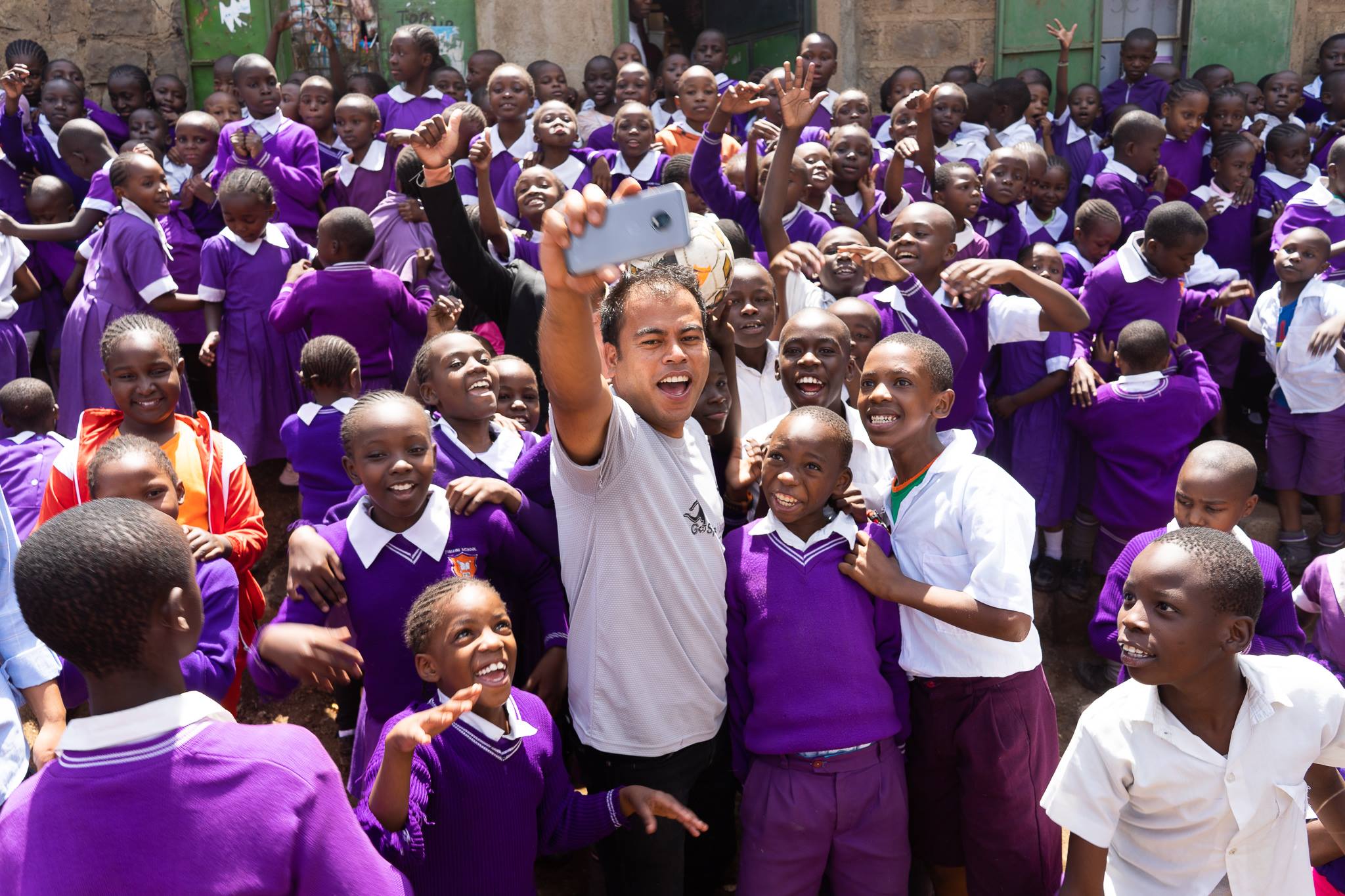
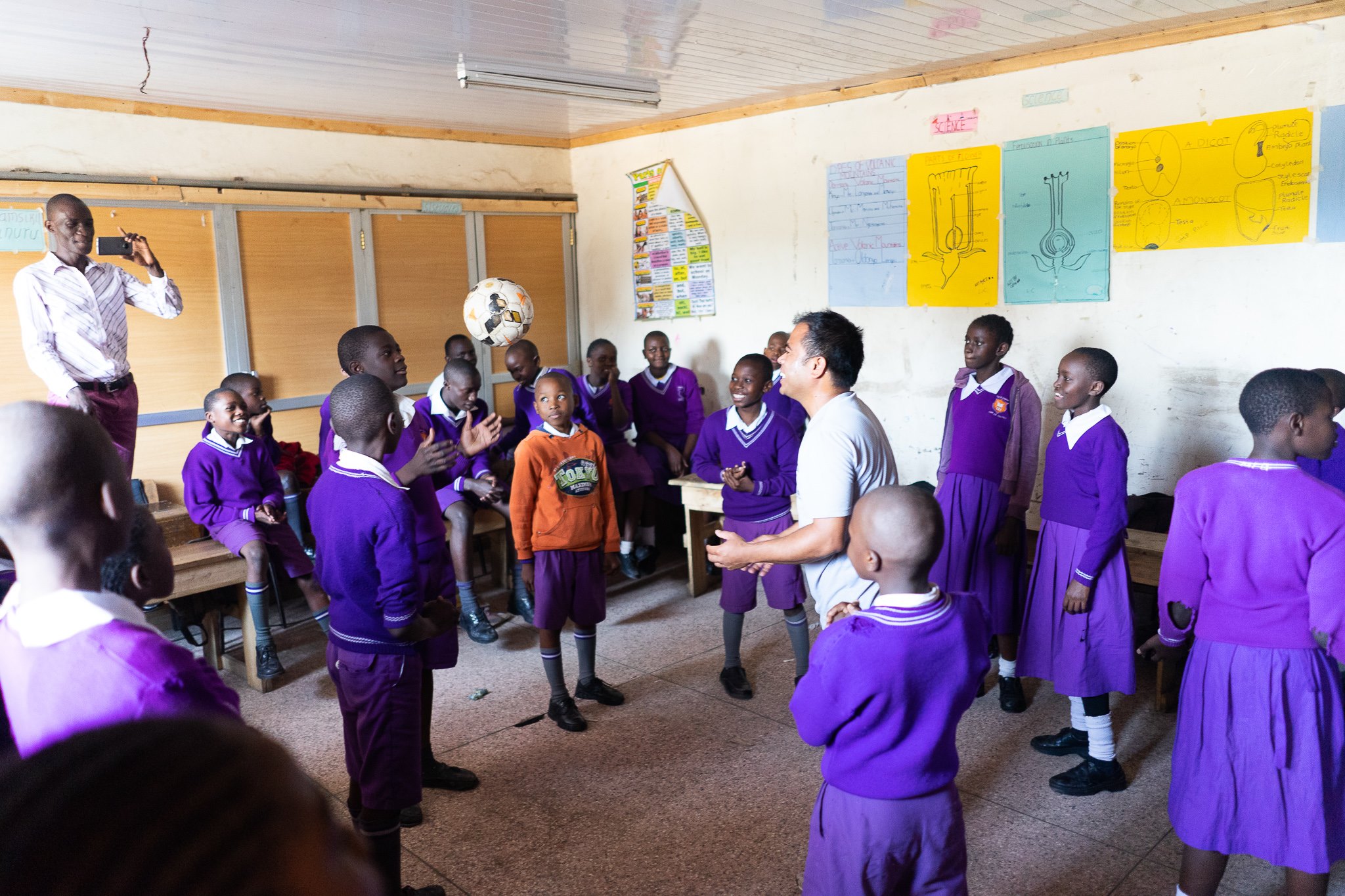
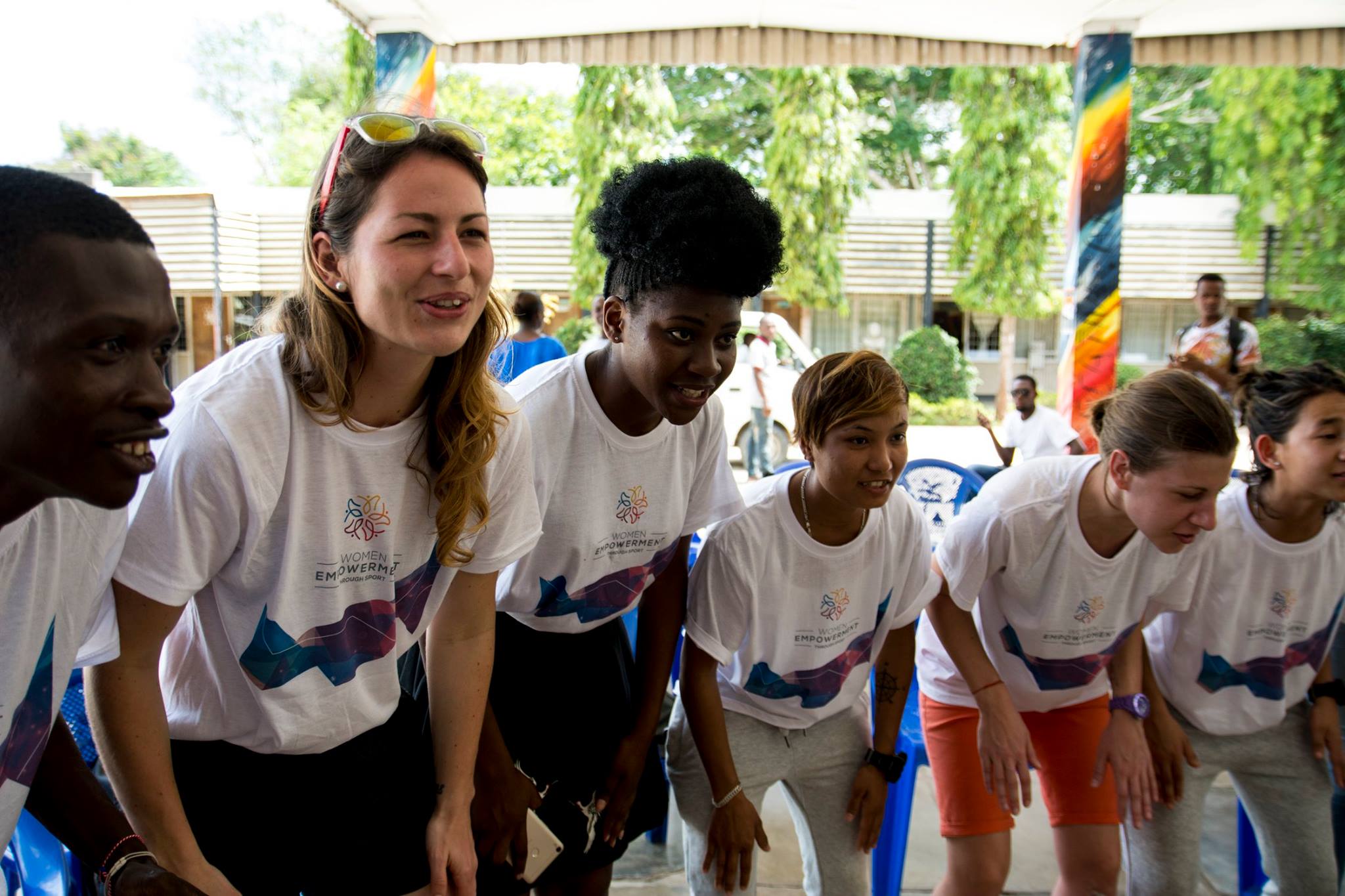
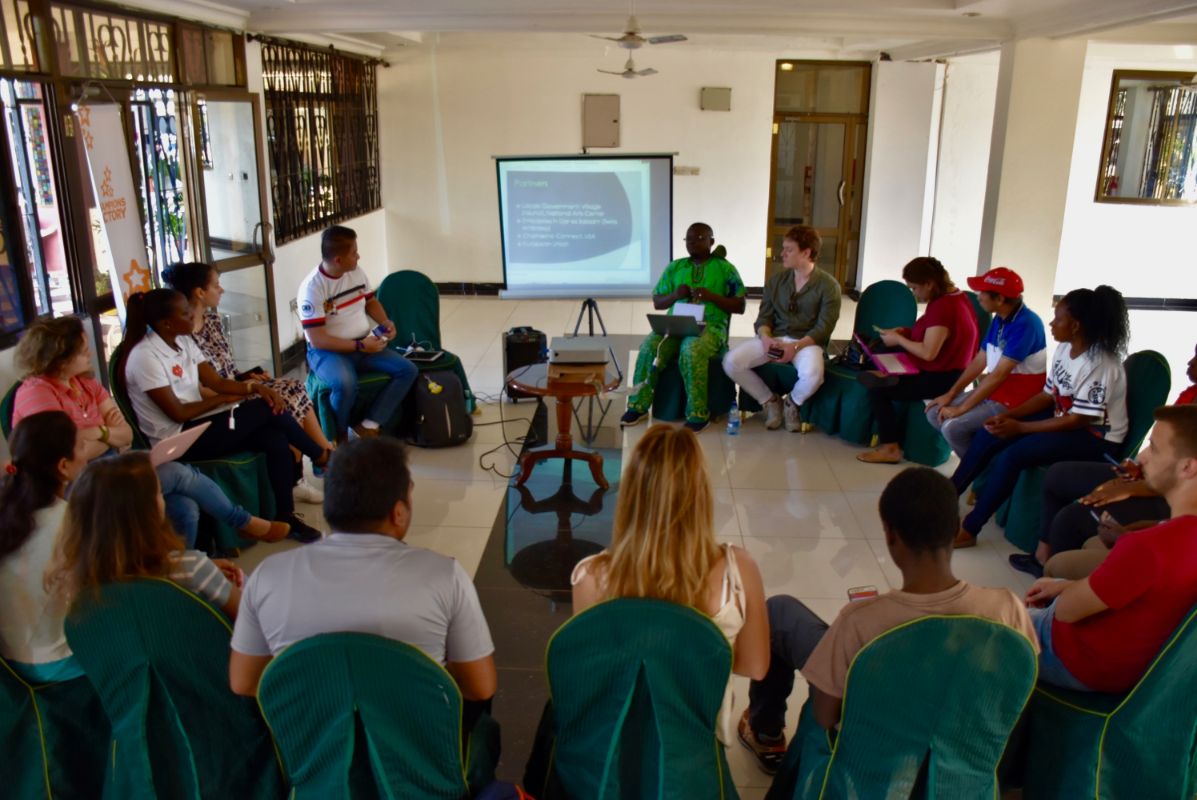
  • Training Course – Kenya (May 2018): Youth workers and leaders were trained in non-formal education and sport-based methods to empower young women.
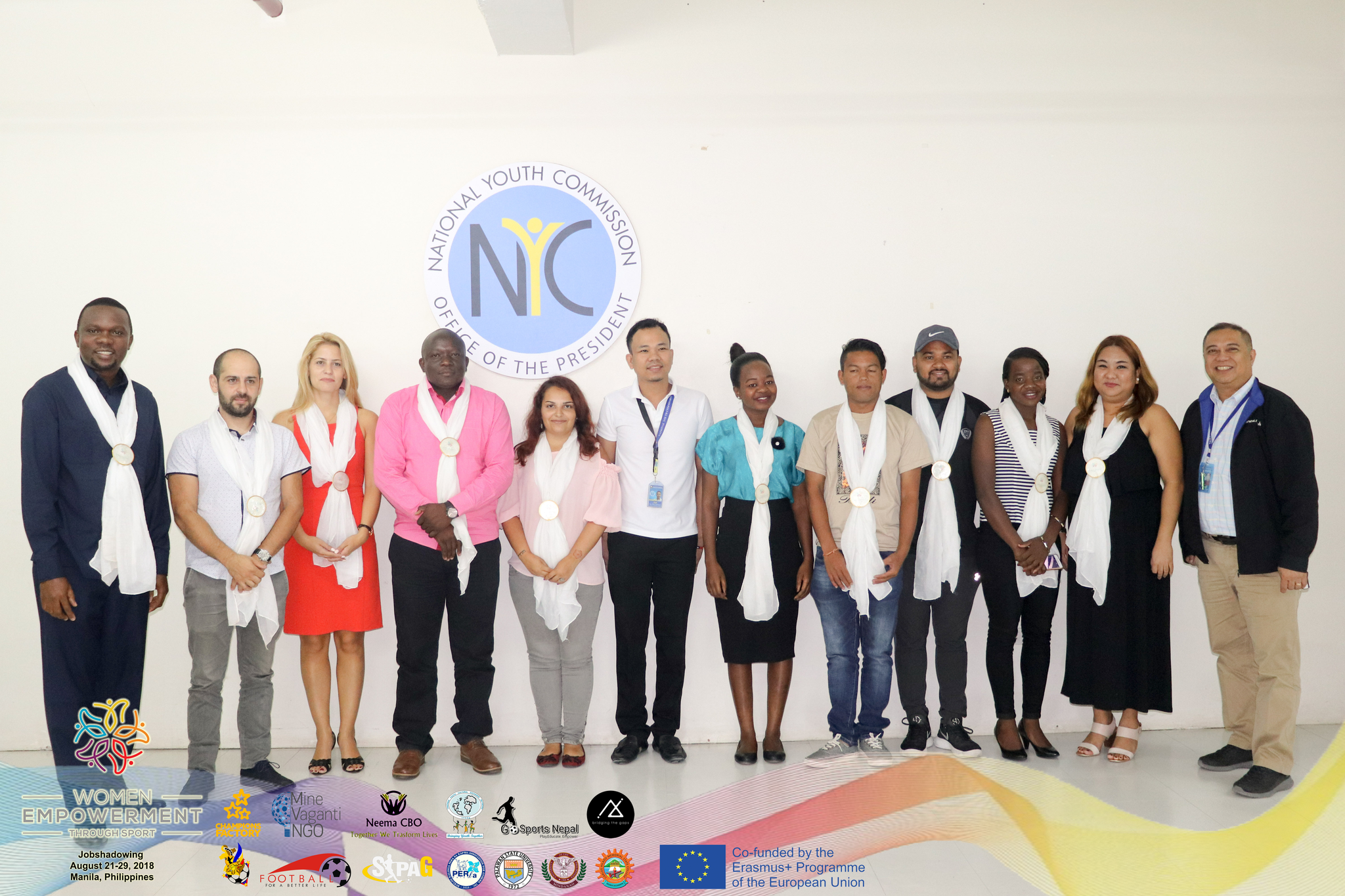
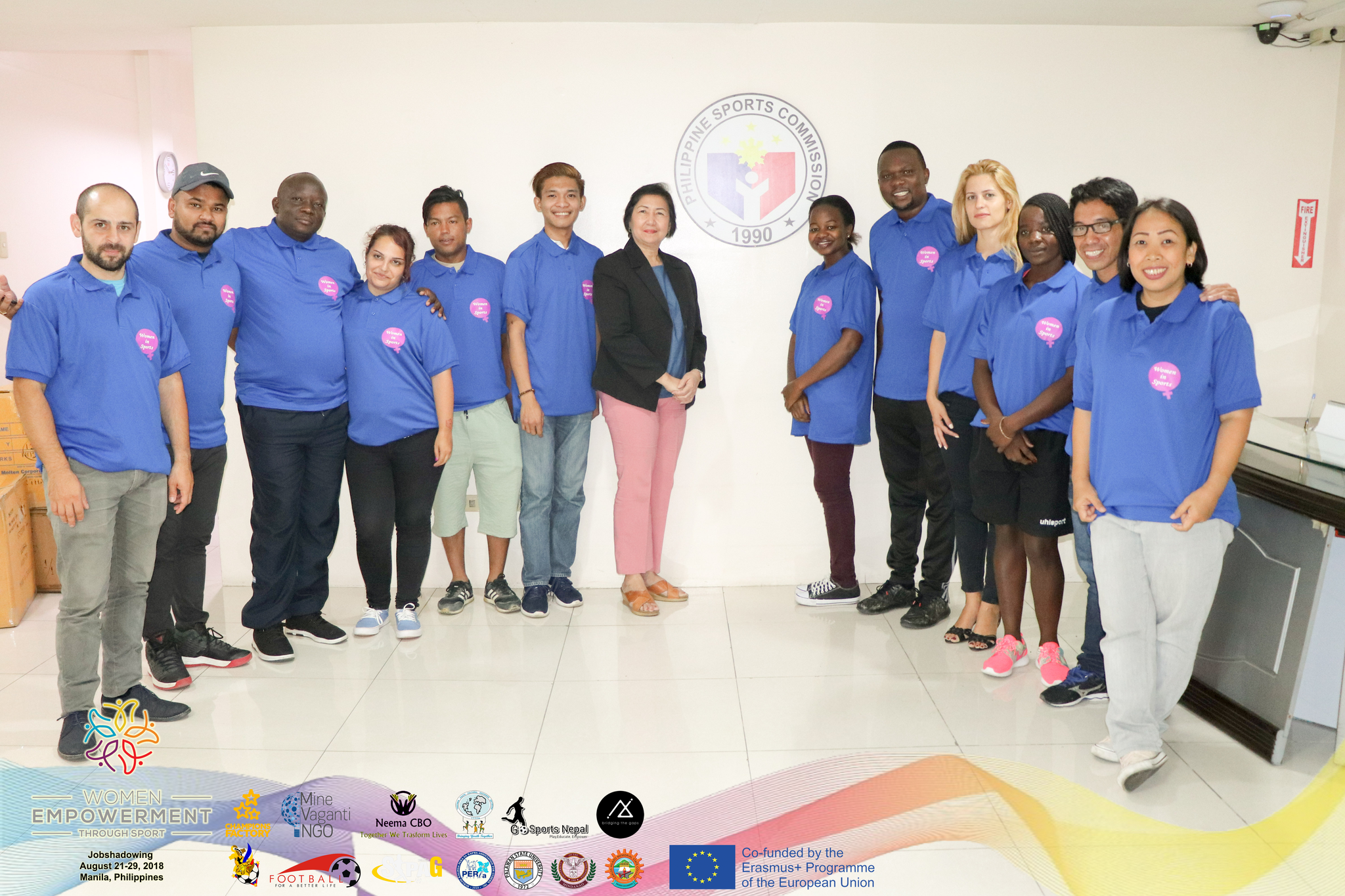
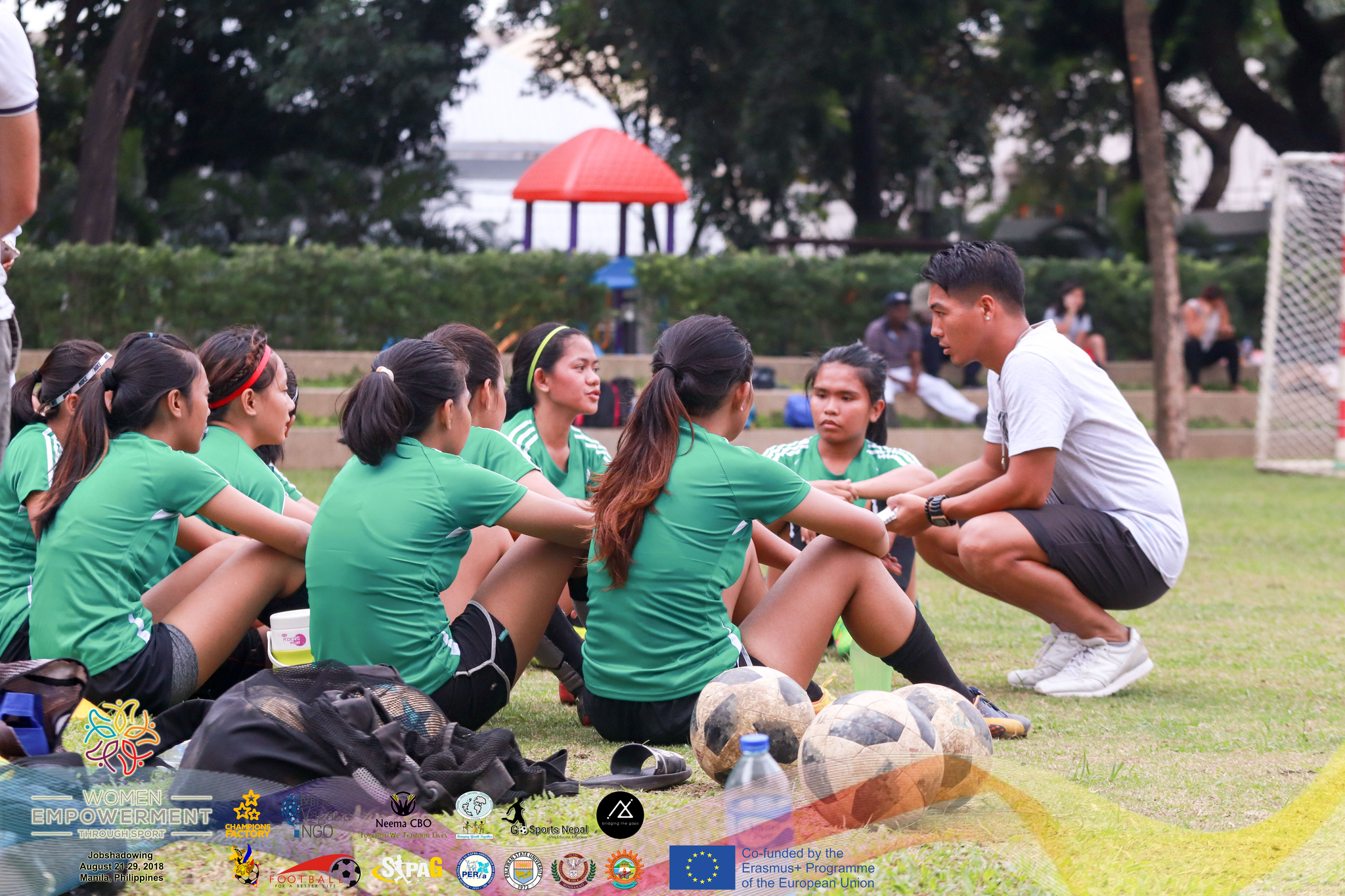
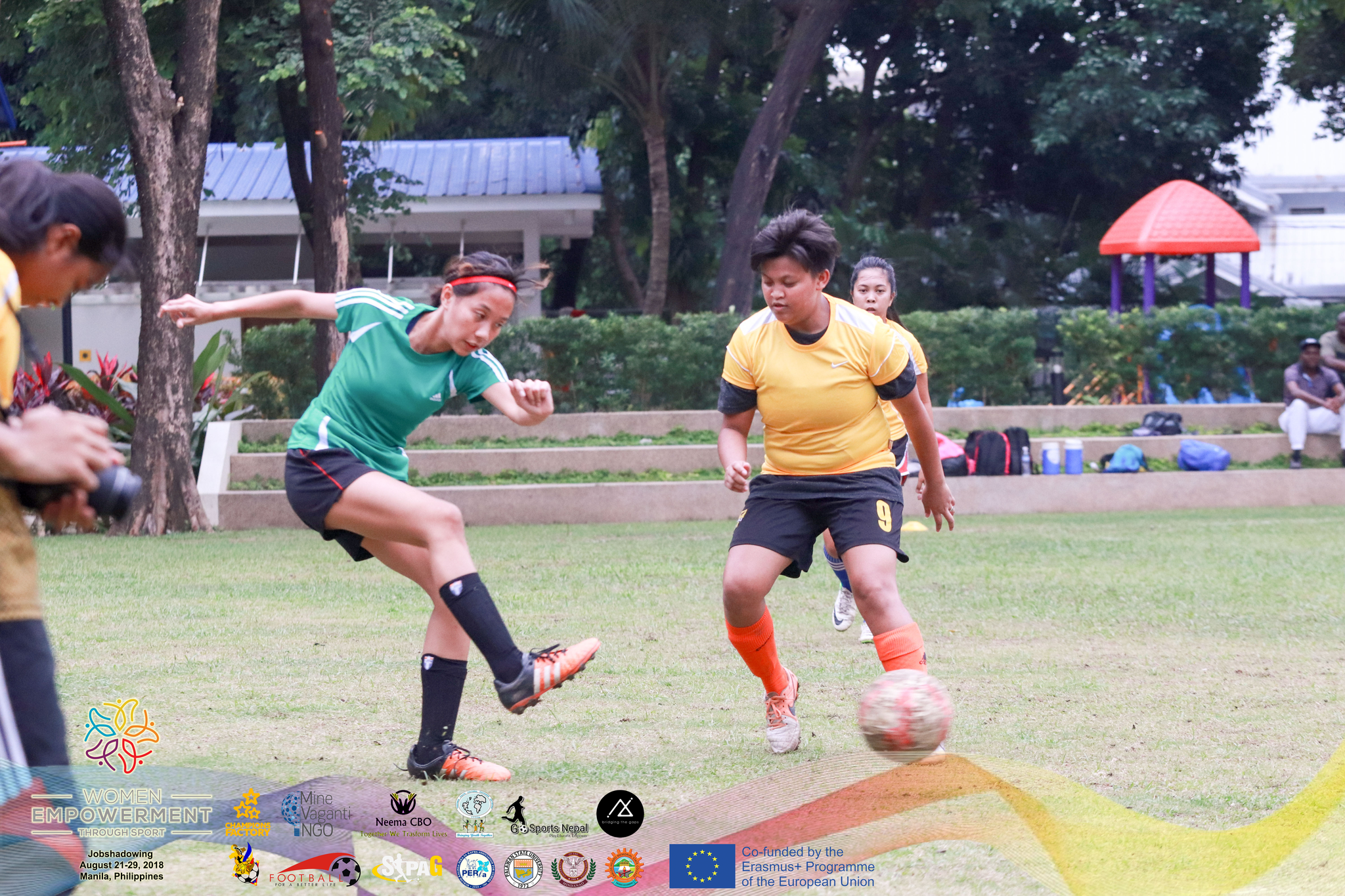
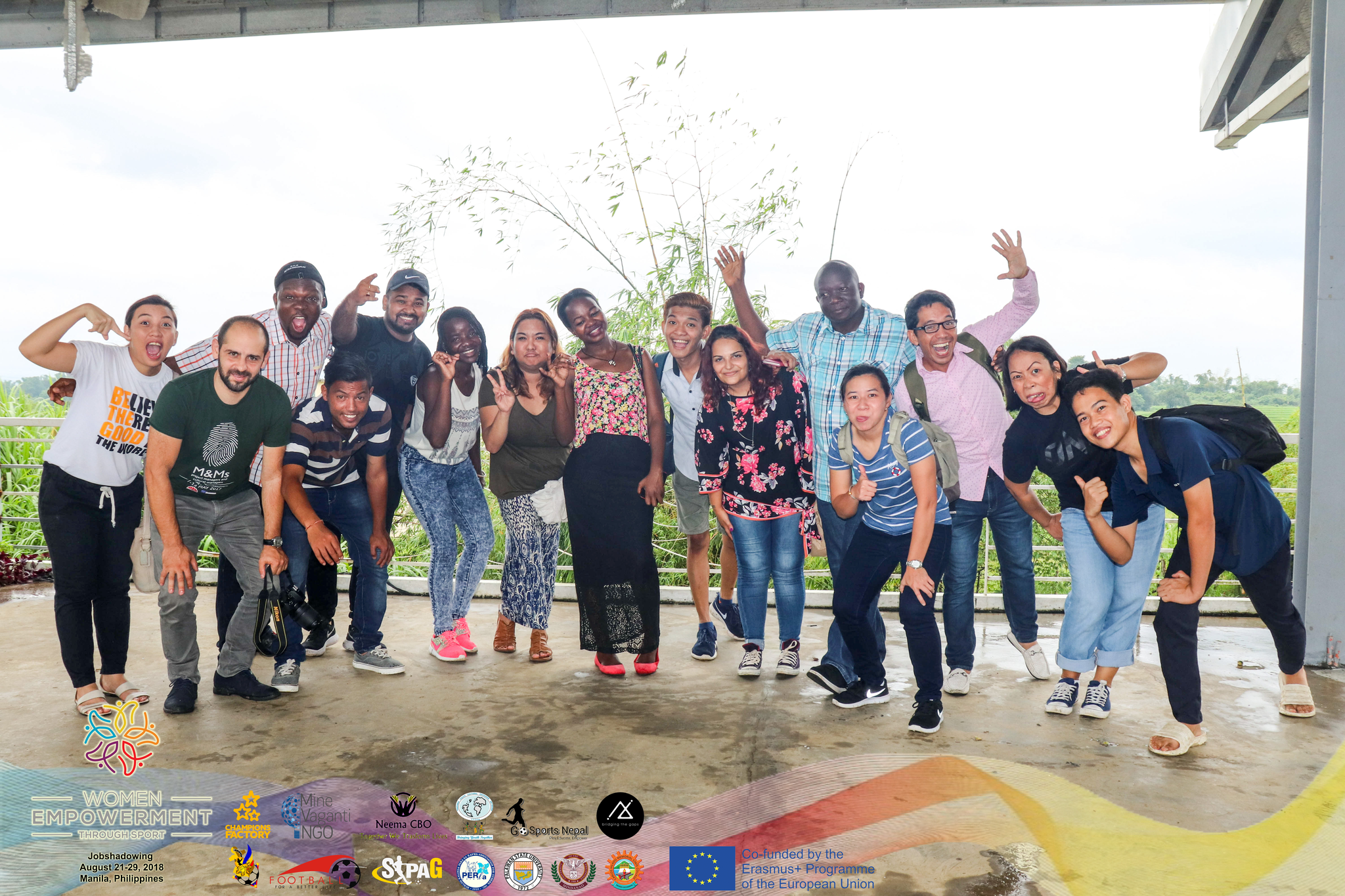
  • Job Shadowing – Philippines (August 2018): Participants observed and exchanged practices in grassroots football programs for women’s empowerment.
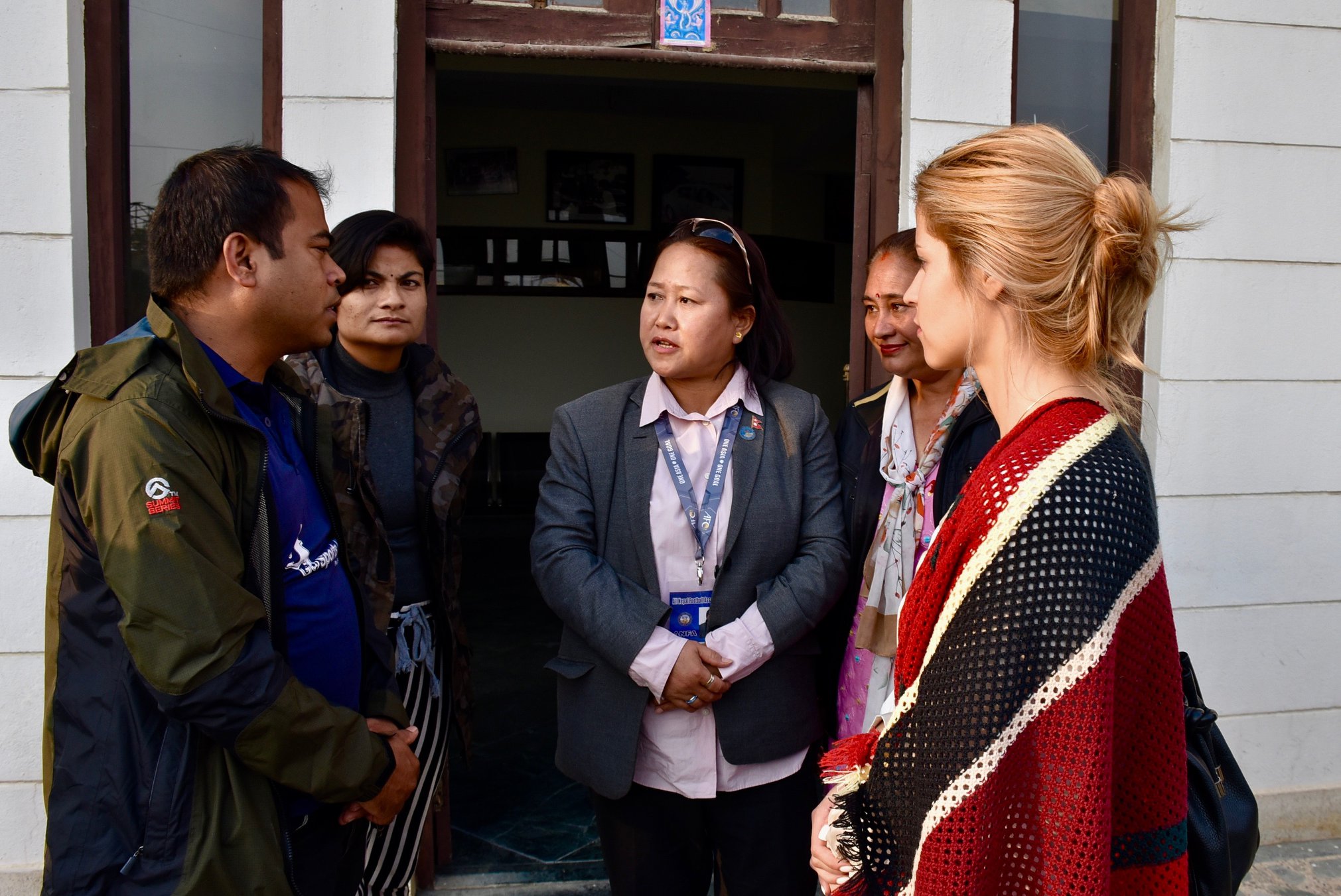
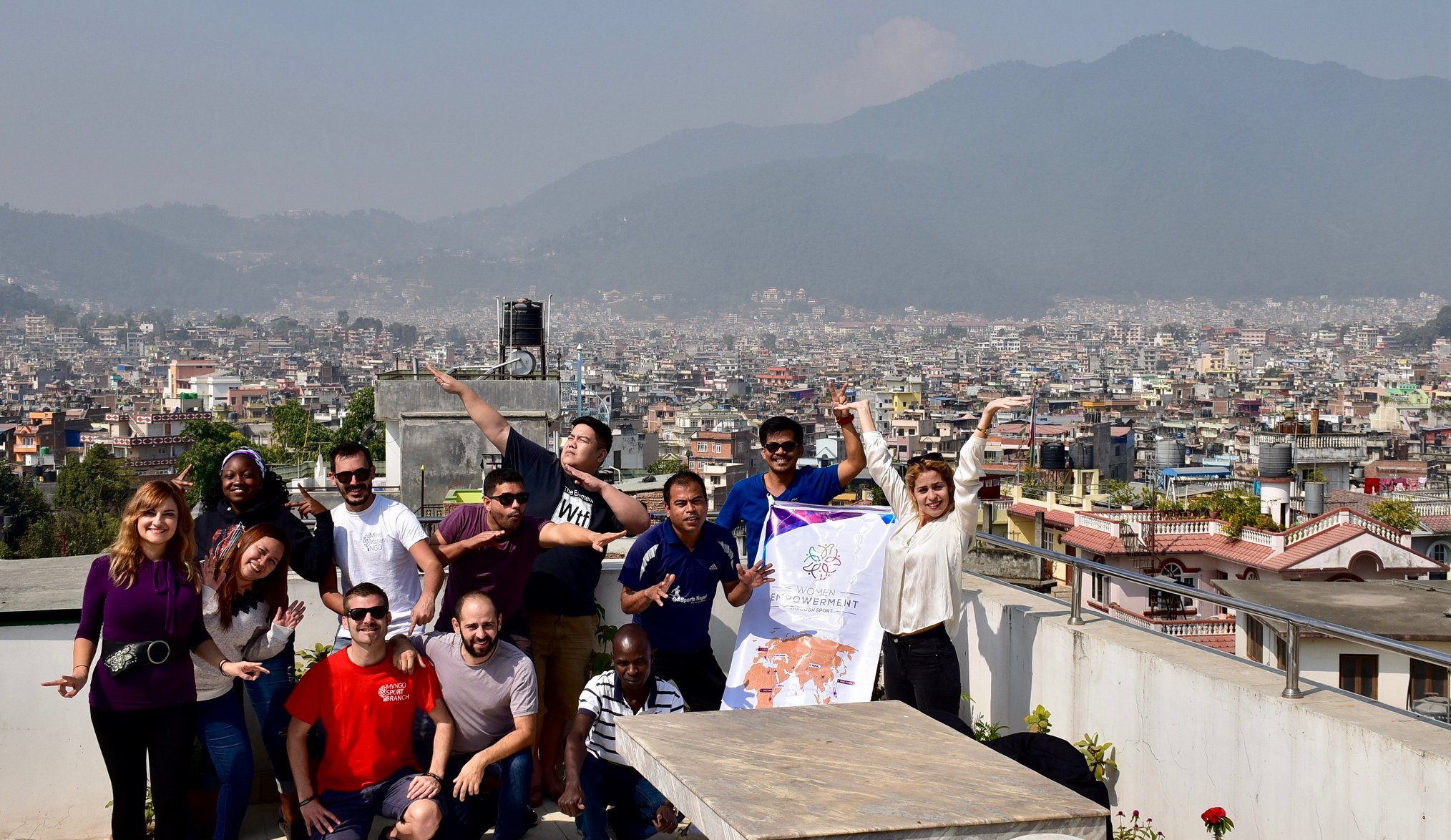
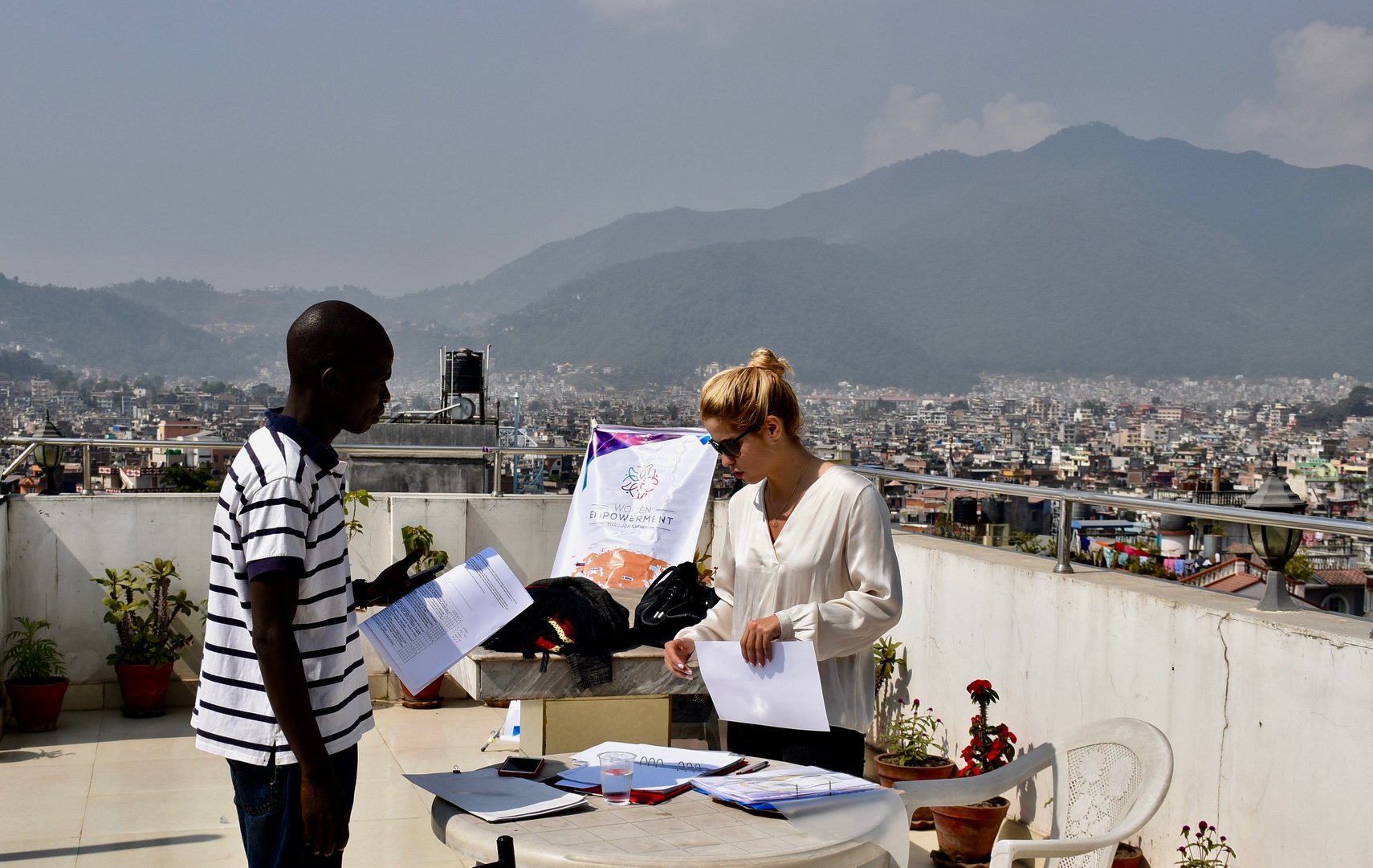
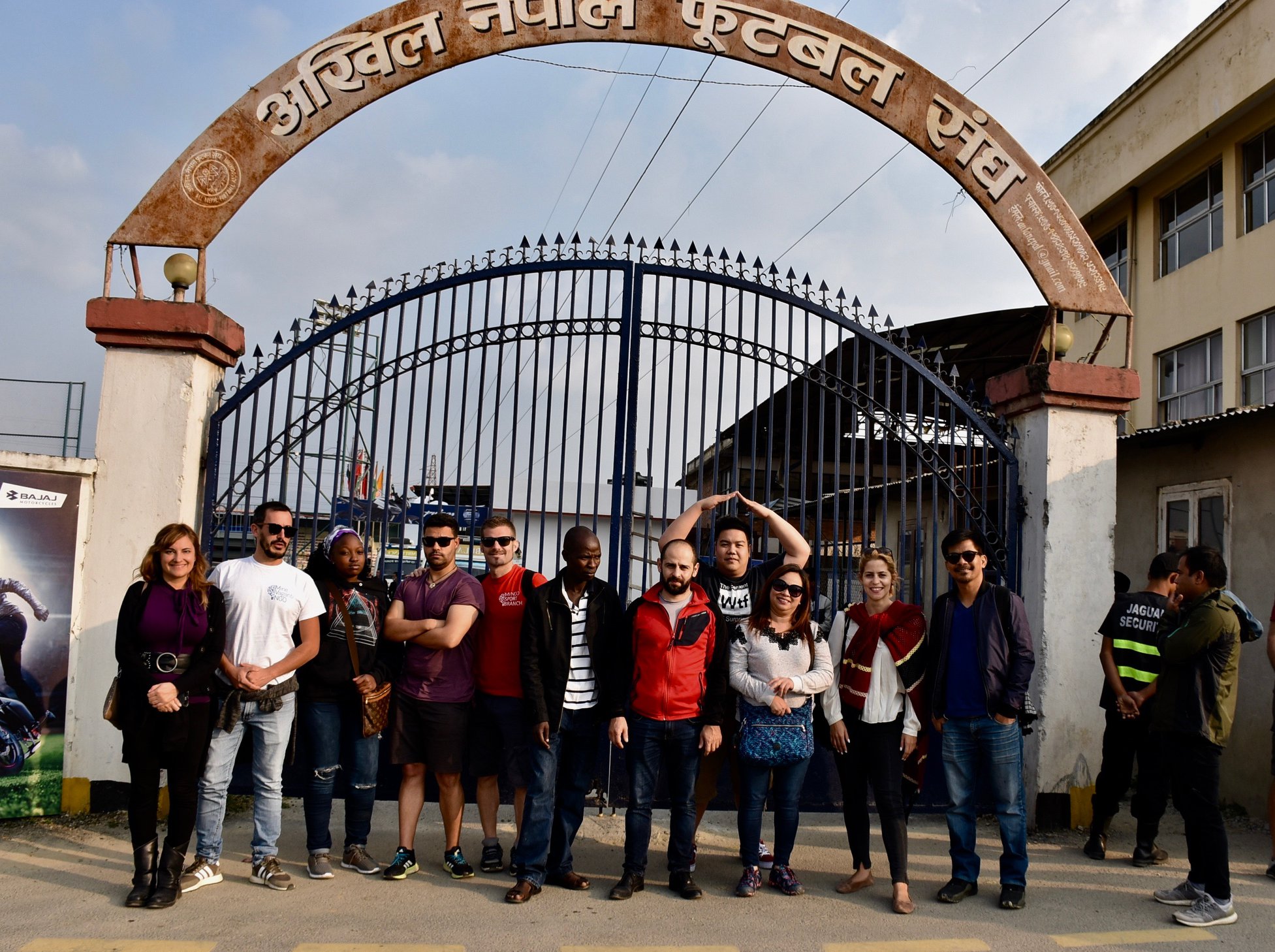
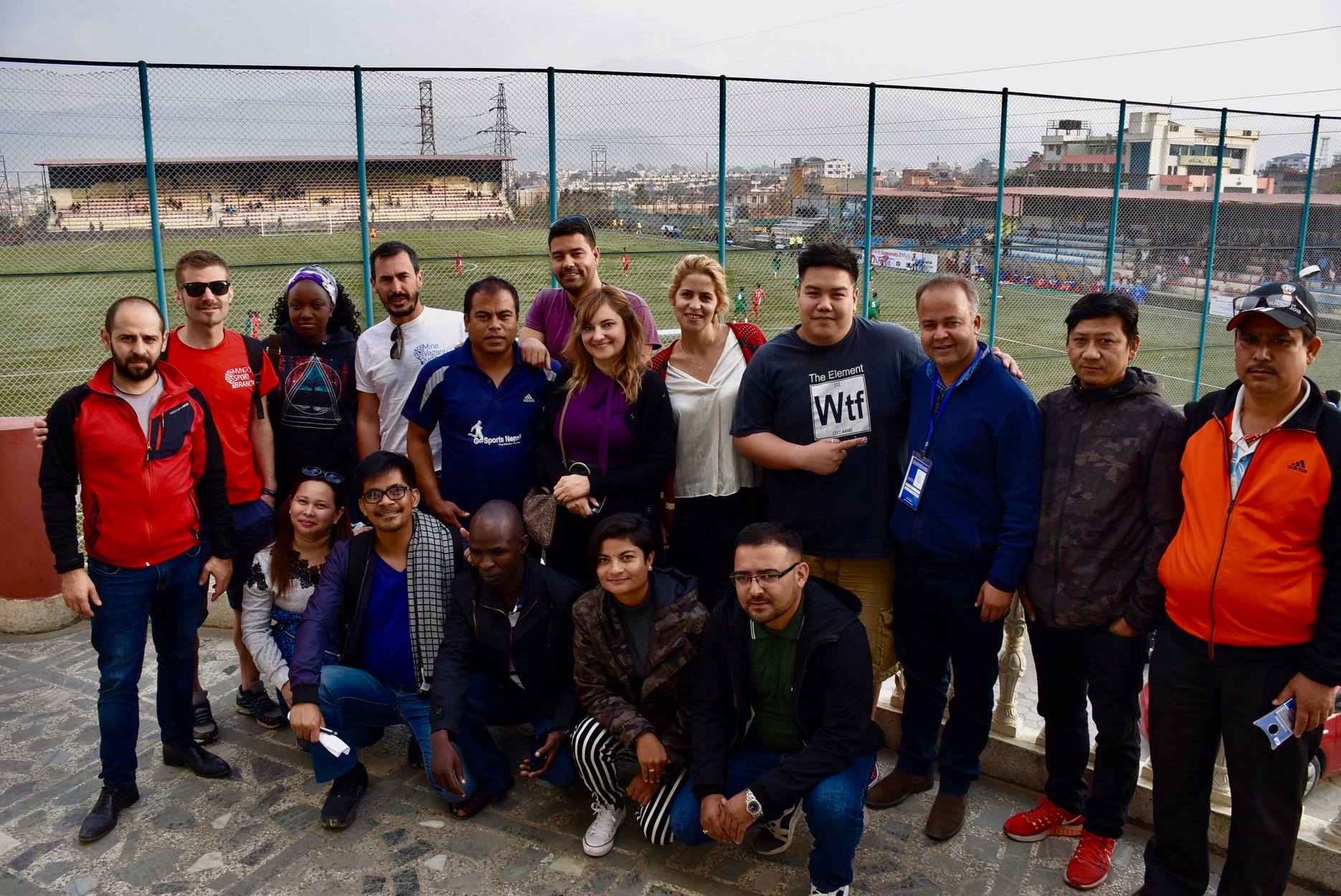
  • Leaders’ Meeting – Nepal (October 2018): Project leaders met to review progress and strengthen the transcontinental network.
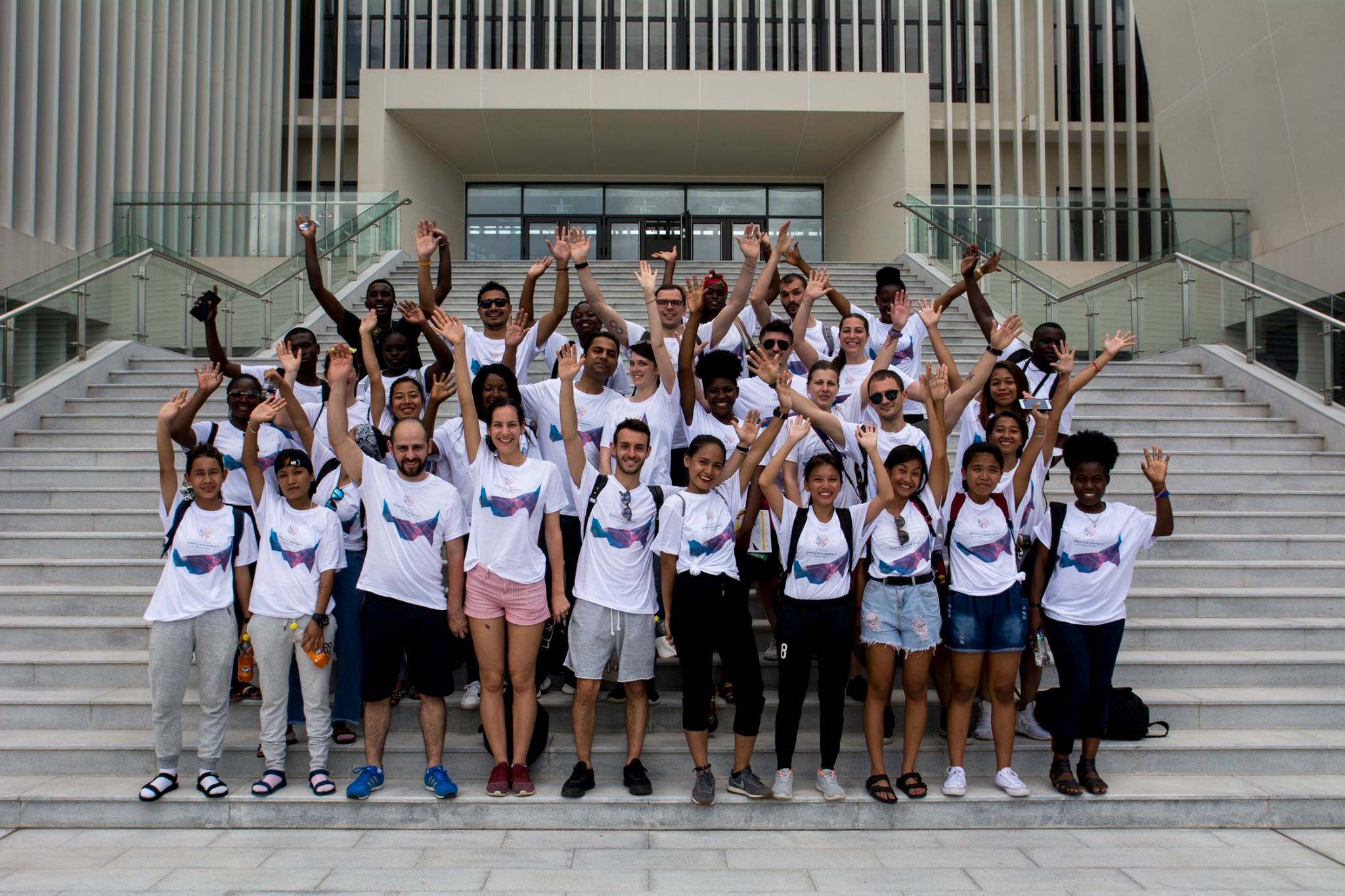
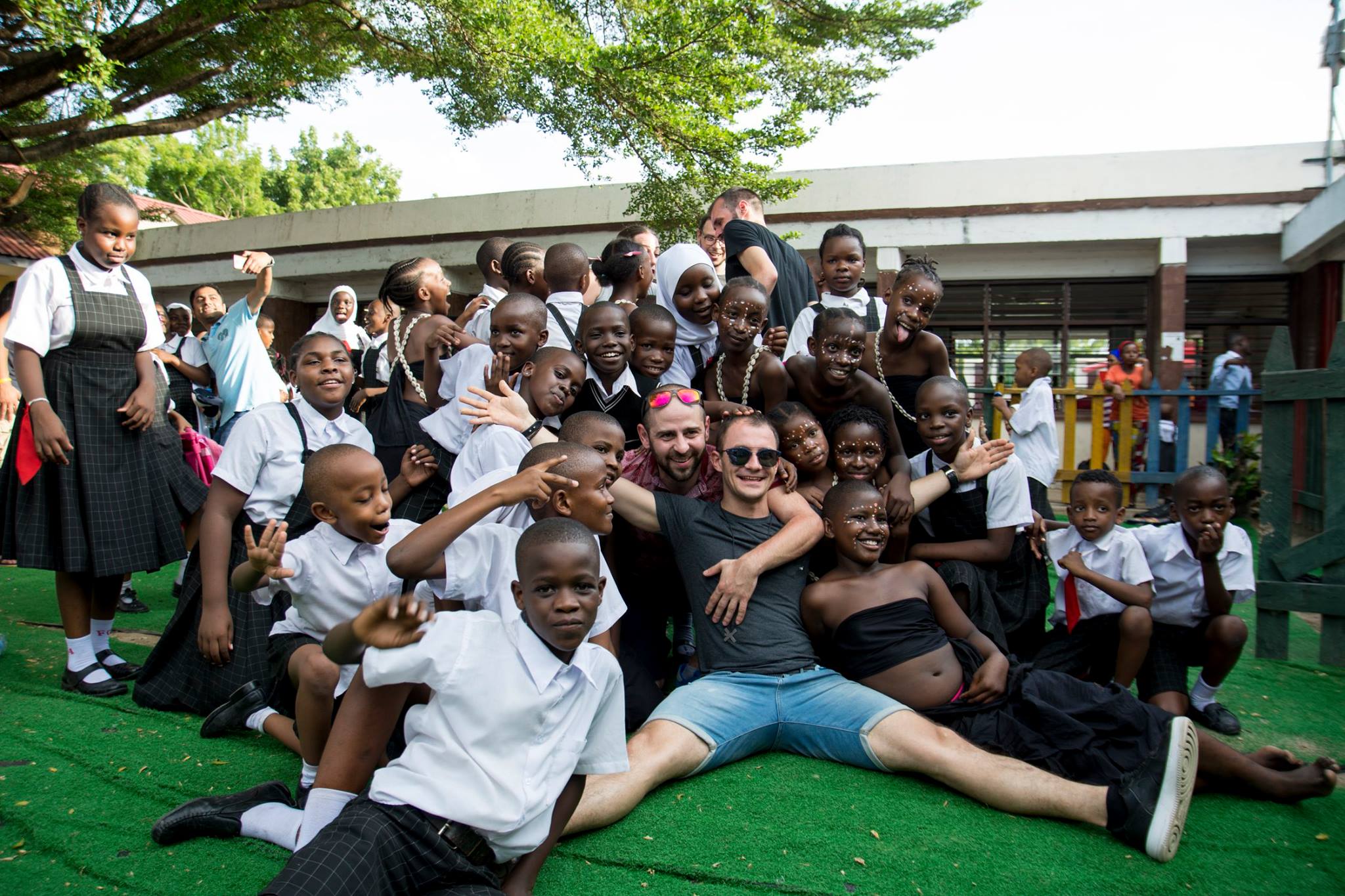
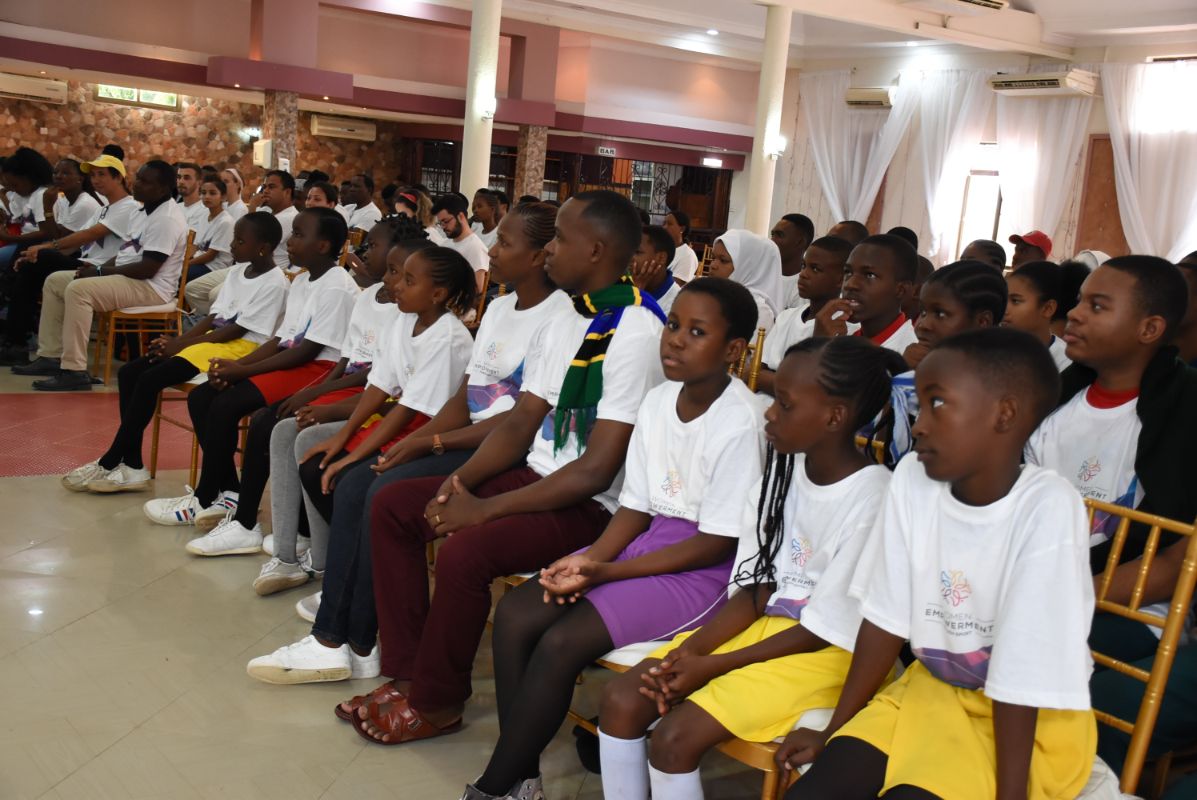
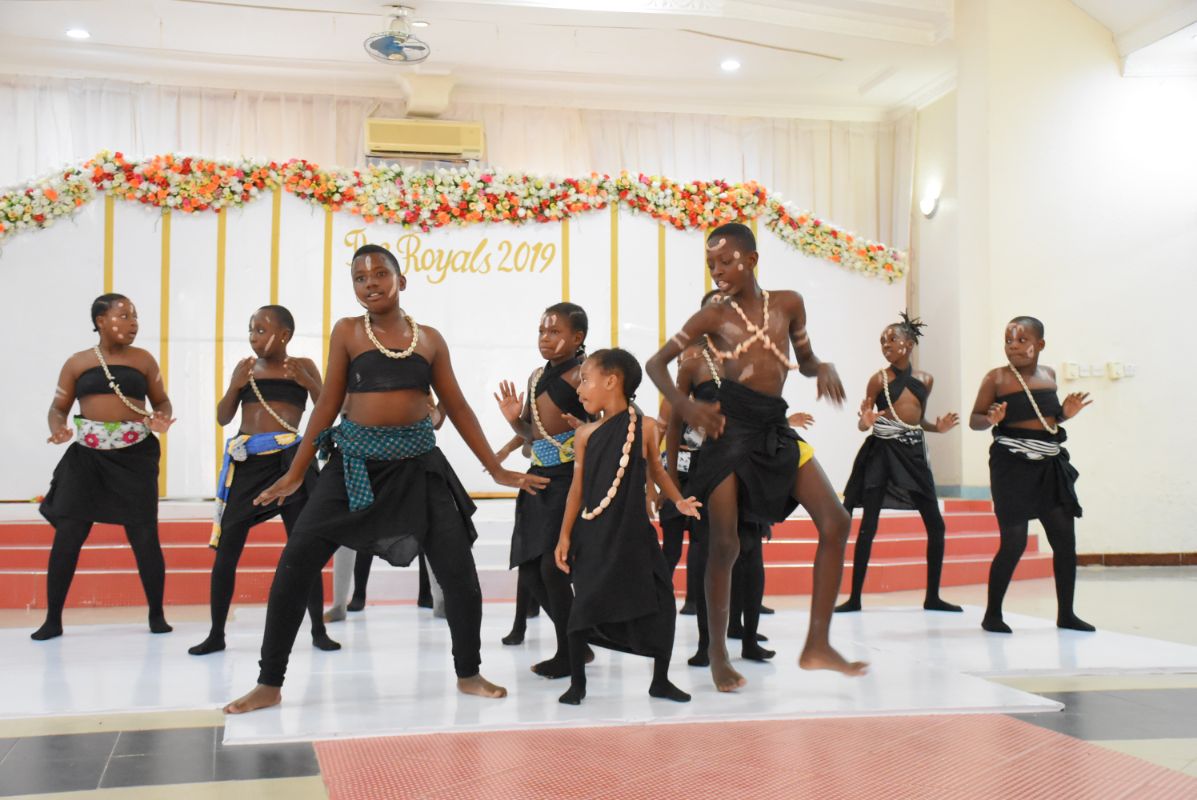
  • Youth Exchange – Tanzania (February 2019): Young participants joined sport activities promoting leadership, inclusion, and empowerment.
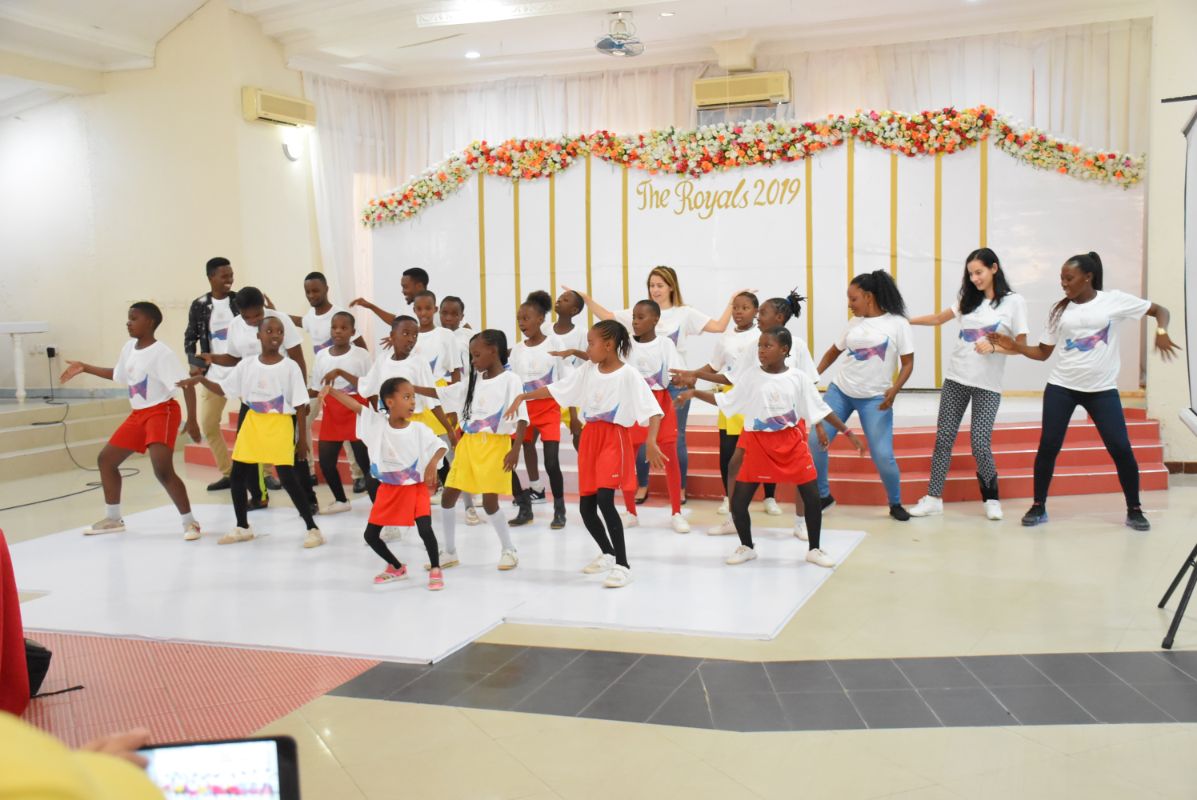
  • Closing Conference – Tanzania (May 2019): Final event presented project results, handbook, and research to stakeholders and local communities.

Partners

Champions Factory

Bulgaria

Mine Vaganti NGO

Italy

Neema Community

Nepal

Champion Arts Centre

Tanzania

Bridging The Gaps Organization

Philippines

Tanzania Youth Cultural Exchange Network

Tanzania

Implementation

The WETS project contributed directly to the two main objectives of the EU Youth Strategy:

  • providing more and equal opportunities for young women in education and the labour market;
  • enabling young people from six countries to actively participate in society.

In addition, the project supported the goals of Education and Training 2020 (ET 2020) by:

  • improving the quality and efficiency of education and training;
  • promoting equity, social cohesion, and active citizenship.

The diversity of the partner consortium – spanning Europe, Asia, and Africa – ensured both relevance and high quality of results. Among the key outputs were a Handbook of Good Practices, a cross-country Research Study, training videos, and outreach to more than 2,000 young women.
Through international mobilities hosted in Italy, Kenya, the Philippines, Nepal, and Tanzania, youth were given the chance to engage in cross-cultural learning and development.

“Women Empowerment Through Sport” generated long-term impact at the individual, organisational, and systemic level. Its influence continues to be felt beyond the project’s lifetime and across a wide range of stakeholders.

Results

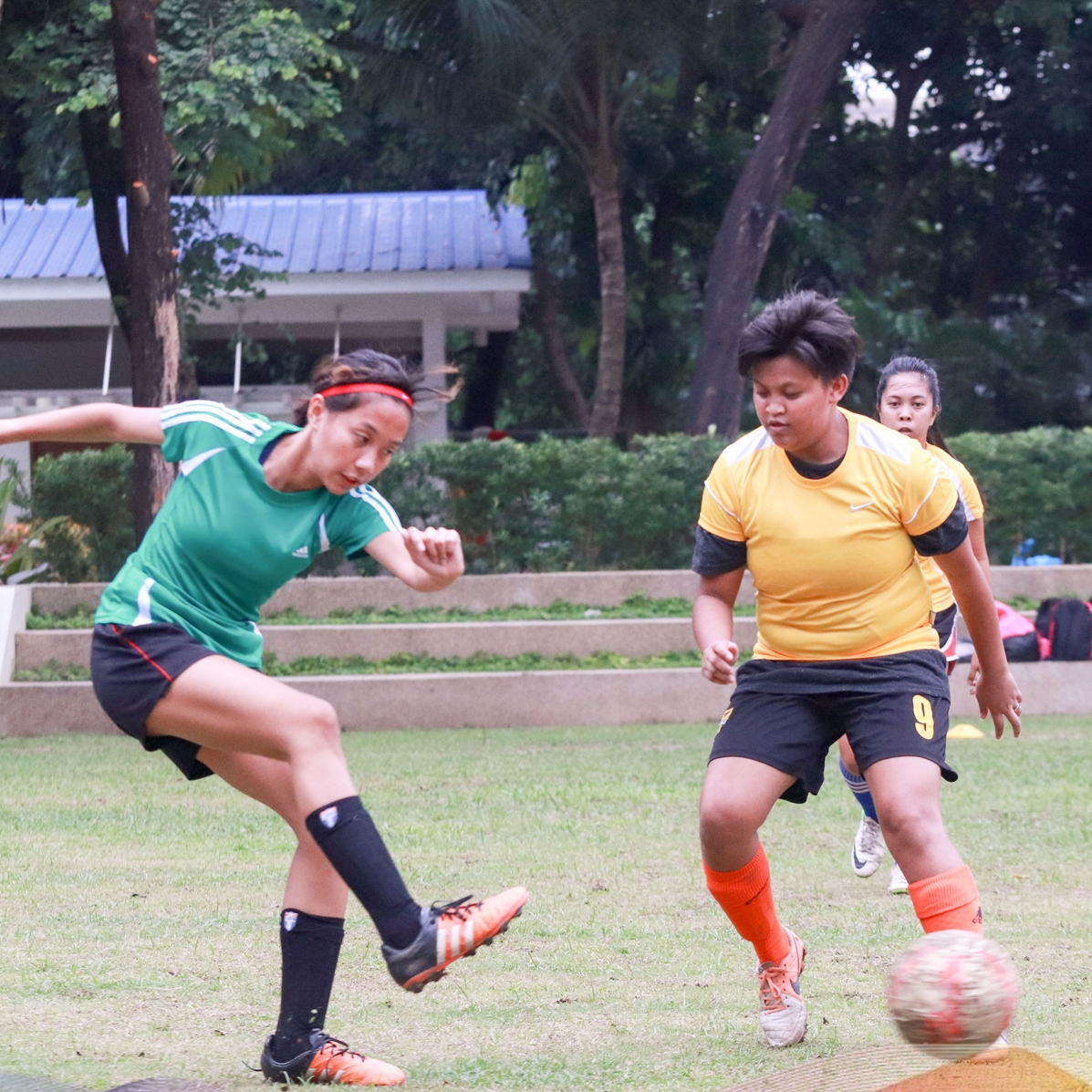
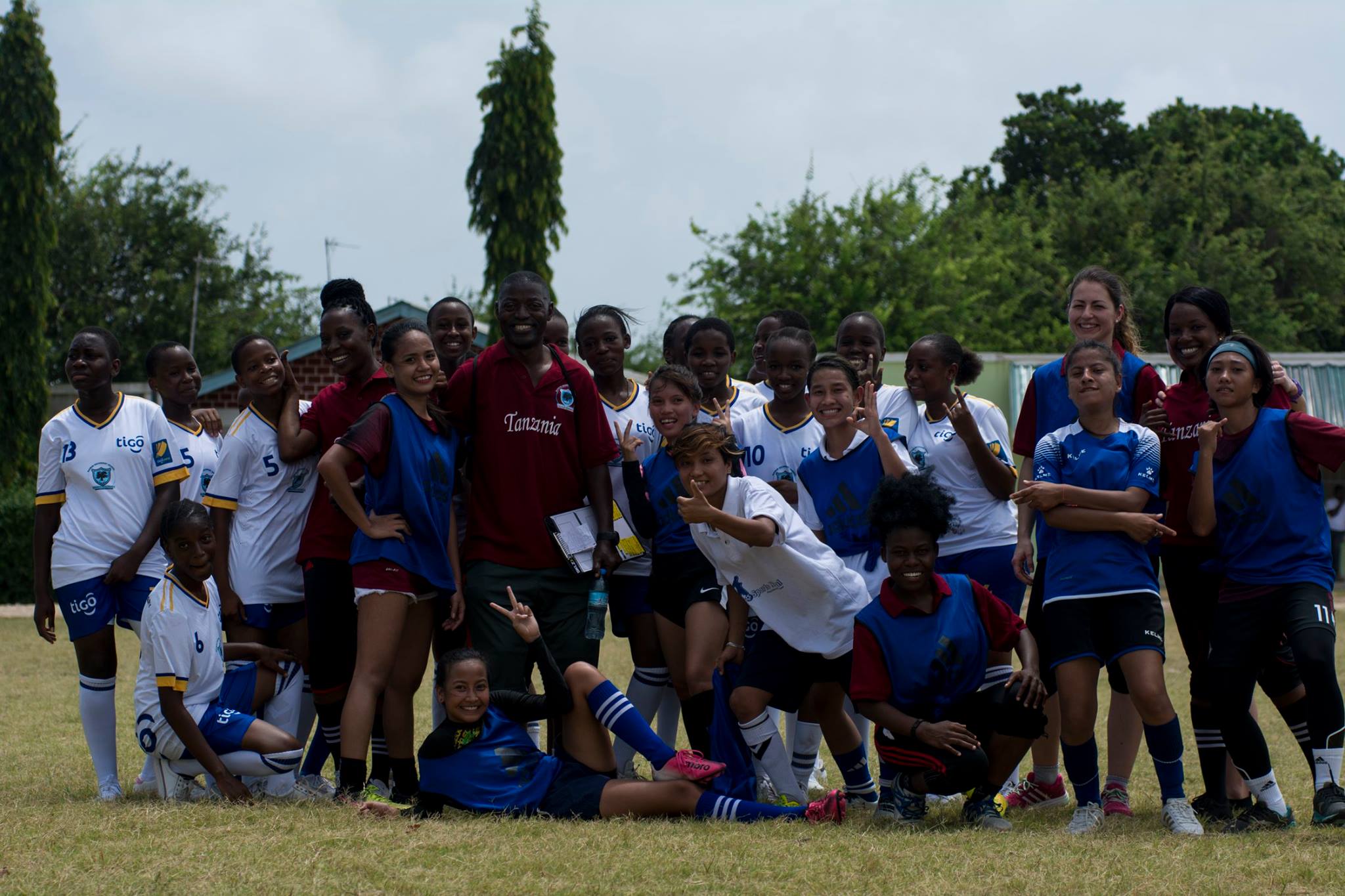
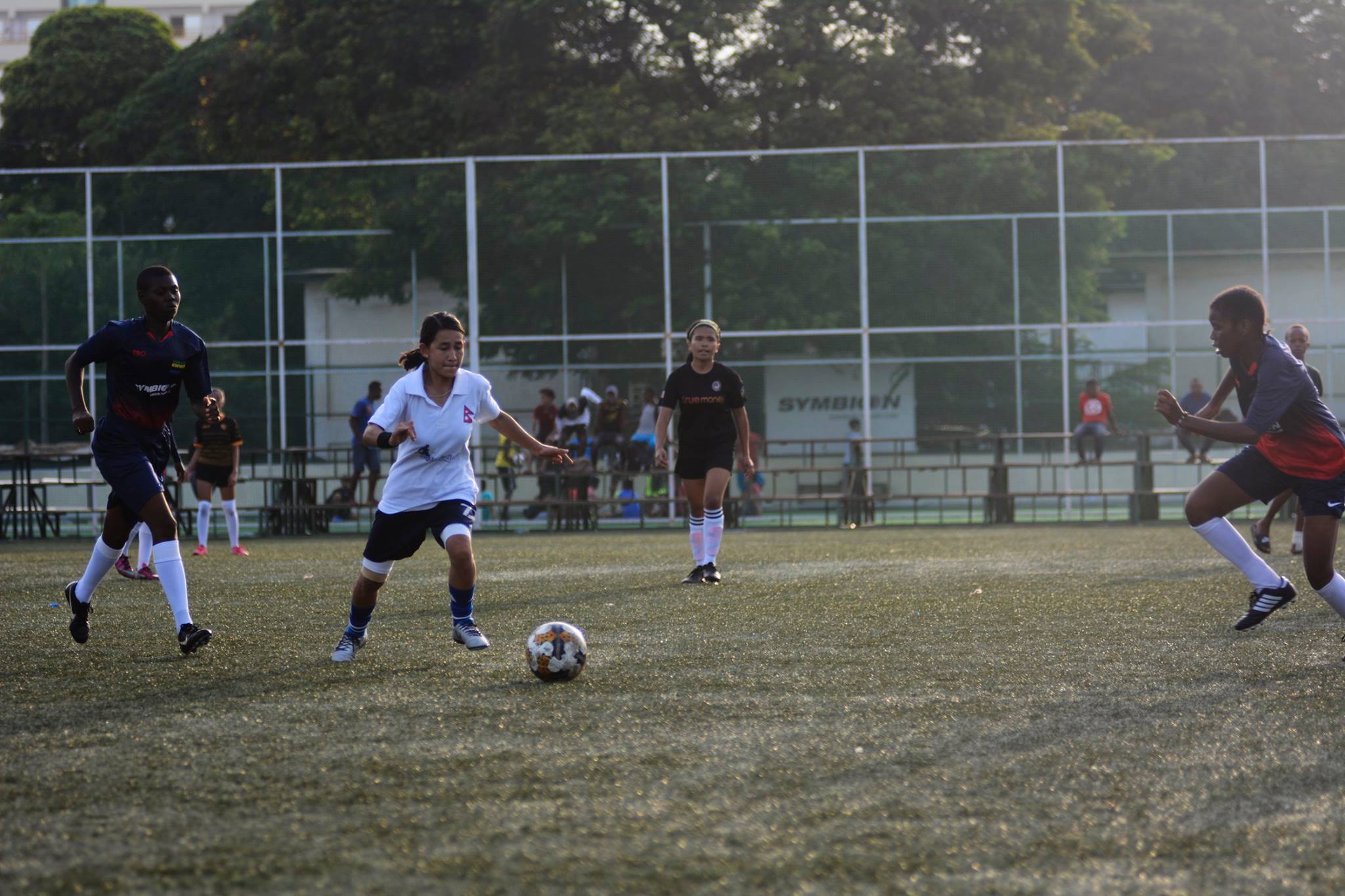
During the Job Shadowing program in the Philippines, the hosting organisation Bridging the Gaps has organised a football friendly game between two teams, as one of them was of orphan girls and at the end of the game 5 of them were selected to attend the Youth Exchange in Tanzania. Here you will find the girls’ positive feedback after the Youth Exchange in Tanzania.As summary, it was a lifetime experience for them!

1.  Women Empowerment Through Sport Video from Training Course

2. Women Empowerment Through Sport Handbook with Good Practices

3. Women Empowerment Through Sport Sport Tool

4. Women Empowerment Through Sport Research

Partnerships and cooperations

Women Empowerment Through Sport Developed Partnerships

Throughout this project we’ve developed new partnerships with a large list of organisations, including:

  • National Sports Academy Vasil Levski in Bulgaria
  • United Nations Office in Bulgaria
  • Sofia County (Bulgaria)
  • National Youth Commission (http://nyc.gov.ph/)
  • Philippine Sports Commission (http://psc.gov.ph/)
  • The delegation of the European Union in the Philippines (https://eeas.europa.eu/delegations/philippines_en)
  • Gawad Kalinga SipaG (Sipa = Kick): http://www.gk1world.com/lbc-sipag
  • Fairplay for All: https://fairplayforall.org/sports/
  • Meet & Greet Azkals Philippine National Team & WETS Philippines Ambassador, Simone Rota
  • “Pitagora” Vocational Education and Training Sports School (Italy)
  • S.E.F. Torres 1903 Football Club in Italy

Dissemination material

  • Women Empowerment Through Sport — Brandbook & Visual Identity:
    Find all docs in PNG, JPEG, and EPS formats (Brandbook, Certificate, Colours, Content, Fonts, Icons, Letterhead, Map, Roll-up Banner, Stickers).
    Download the Brandbook (PDF)
  • Women Empowerment Through Sport — Dissemination (Arunima):
    View image
  • “Women Empowerment Through Sport” — Tanzania awareness-raising activity:
    Tanzania Youth Cultural Exchange Network developed an activity in Dar es Salaam.
  • Facebook Page:
    Women Empowerment Through Sports
  • Website:
    WETS official page
Coordinator:
Partners:

Galleries

Italy (March 2018)
Kenya (May 2018)
Philippines (August 2018)
Nepal (October 2018)
Tanzania (February 2019)
Tanzania (May 2019)

Funded by the European Union. Views and opinions expressed are however those of the author(s) only and do not necessarily reflect those of the European Union or the European Education and Culture Executive Agency (EACEA). Neither the European Union nor EACEA can be held responsible for them.